Home / Environment / Food Waste Fuels Green Energy and Fertiliser
Food Waste Fuels Green Energy and Fertiliser
1 Mar
Summary
- West Midlands authorities will implement food waste collections by year-end.
- Food waste can be converted into fertiliser and green energy.
- Government is enhancing enforcement against waste crime and fly-tipping.
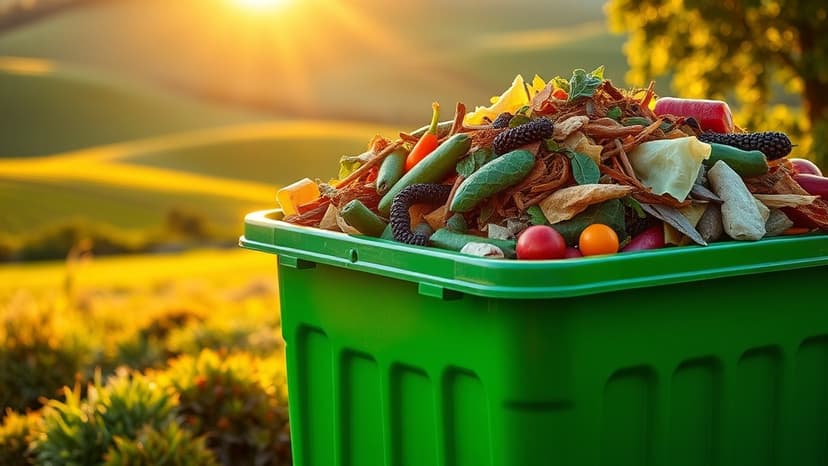
By the close of 2026, all local authorities across the West Midlands are scheduled to commence food waste collections. This introduction follows an initial April deadline, with the environment minister advocating for a slower, consent-based rollout to ensure success. She noted that the delay was due to logistical challenges faced by some councils, though government funding has been provided.
The minister emphasized the environmental and economic benefits of repurposing food waste. "This is really useful stuff," she stated, explaining its potential use as fertiliser for agriculture and as a source of green gas for heating homes and generating electricity. This strategy is part of a broader national effort to increase recycling rates to 65% by 2035.
In parallel, the government is intensifying its efforts to combat waste crime and fly-tipping. Local authorities are being encouraged to utilize existing powers, including vehicle seizure, and report unlicensed waste collectors. The Environment Agency's enforcement budget has been augmented, and support for the Joint Unit for Waste Crime has increased, leading to recent arrests for waste-related offenses.