Home / Environment / Climate Shocks Blind Food Companies: Risk Models Lag
Climate Shocks Blind Food Companies: Risk Models Lag
5 Oct
Summary
- Many crop yield models ignore extreme weather risks like wildfires.
- Climate change weakens geographic diversification as a food supply buffer.
- Investing in climate adaptation yields significant societal returns.
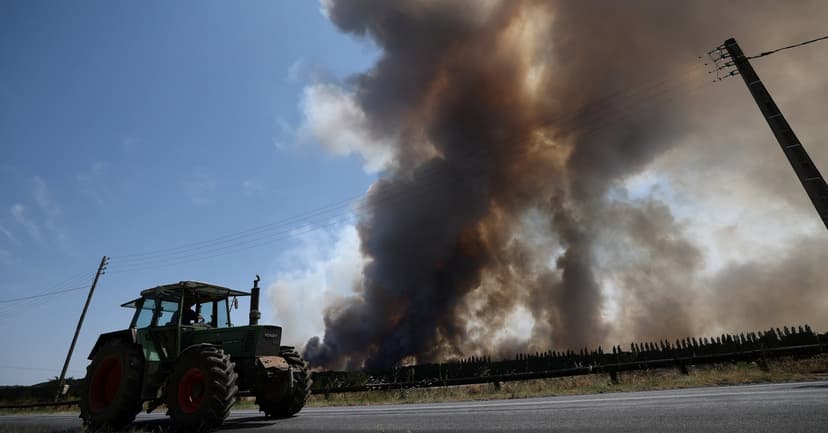
Visible climate changes this summer, marked by dried fields and shrinking rivers, are already causing supermarkets to warn of food shortages and price increases across Europe and the Global South. However, many food companies may be underestimating these hazards, as crucial crop yield models fail to incorporate the impact of extreme weather events.
Recent reports highlight that these models often do not account for risks like wildfires, which saw over 200 recorded in the UK this summer, or the impact of deforestation on rainfall patterns in regions like Brazil. These events interact to exacerbate damage, as seen with soaring cocoa prices in West Africa due to combined extreme rainfall and disease.
Historically, geography acted as insurance, allowing companies to source from elsewhere if a harvest failed. Climate change, however, is weakening this buffer, making simultaneous regional impacts more likely without adequate tools to assess such shocks. This lack of data leaves companies unprepared, hindering their ability to predict and prevent food shortages.
The financial sector is beginning to quantify these agricultural losses, noting that adverse weather costs EU agriculture over 28 billion euros annually, with much of it uninsured. Investing in climate adaptation, like regenerative agriculture, promises substantial societal returns, positioning these efforts as critical for supply security rather than optional costs.
Similar to how the insurance industry developed catastrophe risk models after Hurricane Andrew, the food sector needs robust data to simulate potential losses from natural disasters. This data would enable better risk assessment, justify investments in resilience, and inform sourcing decisions, farm investments, and long-term contracts for farmers.
Ultimately, companies must stress-test supply chains against a wider array of climate hazards, compare expected losses with resilience investment costs, and secure political and financial backing. Lenders, insurers, and governments must support the open data infrastructure and financial products needed to build resilience and secure the future of global food supplies.


