Home / Environment / Food Forests Bloom: Neighbors Connect Through Growing
Food Forests Bloom: Neighbors Connect Through Growing
26 Nov
Summary
- Food forests are edible plant communities that expand food access.
- These orchards build community resilience against climate change.
- Urban food forests reduce local temperatures and increase green space.
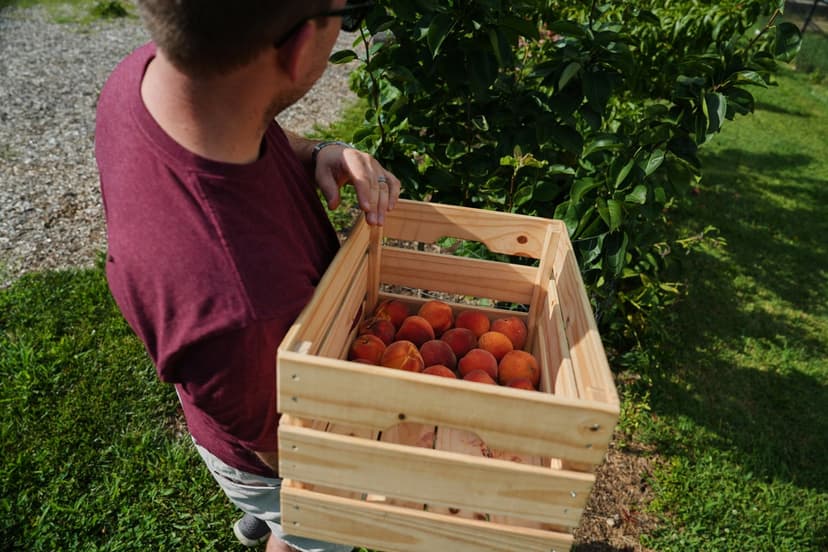
Food forests, which are edible plant communities designed to mimic natural ecosystems, are growing in popularity across the United States. These innovative systems offer fresh produce to neighborhoods experiencing food scarcity and serve as a crucial strategy for building community resilience as climate change disrupts global food networks.
Established by organizations like The Common Orchard Project, these compact orchards are planted in accessible public spaces. They feature layered perennial vegetation, including fruit trees and pollinator-supporting species, creating an interdependent ecosystem that sustains humans, animals, and insects. This approach requires less upkeep than traditional agriculture and promotes mutual nurture between people and their environment.
Beyond providing food, these food forests act as community focal points. Volunteers, known as stewards, maintain the plots and educate local residents about the orchards. This engagement helps reconnect people with their food sources and fosters trust within neighborhoods. The initiative also supports local food banks by donating excess fruit, aiming to empower communities to address hunger and pursue broader structural changes in food systems.


