

Home / Environment / Florida Bees Face Climate Crisis
Florida Bees Face Climate Crisis
20 Apr
Summary
- Climate change and extreme weather threaten Florida's vital bee populations.
- Declining bee numbers impact agriculture, costing Florida millions annually.
- Native and honeybees face extinction risks due to habitat loss and pesticides.
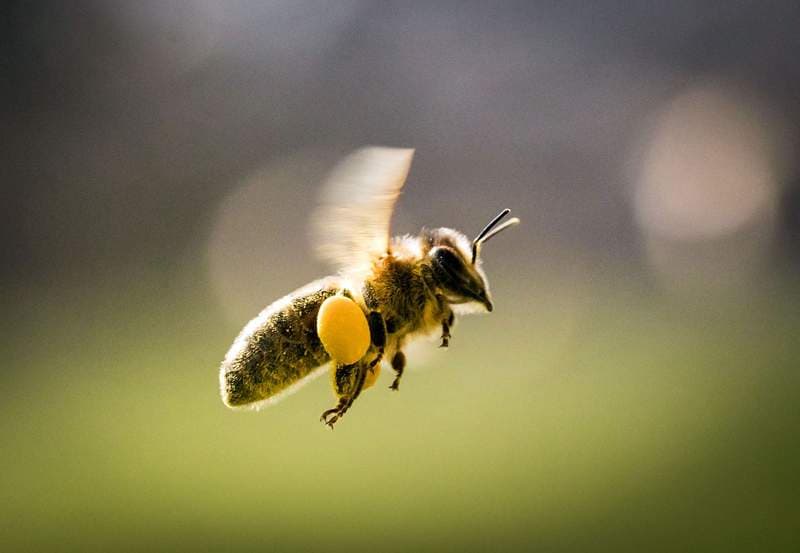
Beekeepers across Florida are confronting significant challenges as climate change and extreme weather events disrupt bee habitats. The decline of both native and managed honeybee populations poses a serious threat to the state's agriculture and ecosystems. Development and pesticide use are further exacerbating these issues, pushing some bee species toward extinction.
Native bees, including unique species found only in Florida, are particularly vulnerable to land-use changes that destroy their specialized food sources. Honeybees, while not native, are crucial for pollinating a significant portion of Florida's crops, contributing millions annually to the state's economy. However, beekeepers like Colby Sadler and Stephanie Ramthun are experiencing substantial financial losses due to severe weather events such as hurricanes.
These challenges necessitate finding new strategies, including protecting green spaces and ensuring bees have access to diverse floral resources. The dwindling bee population directly impacts fruit and vegetable production, affecting the state's economy and the livelihoods of its farmers. The future of Florida's agriculture is increasingly reliant on the health of its pollinators.
