Home / Environment / Florida Bees Battle Brutal Weather, Seek Aid
Florida Bees Battle Brutal Weather, Seek Aid
7 Mar
Summary
- Severe cold snap and drought devastated Florida bee populations.
- Black Hammock Bee Farms lost nearly half of their colonies.
- Pollinators are crucial, supporting one-third of global crops.
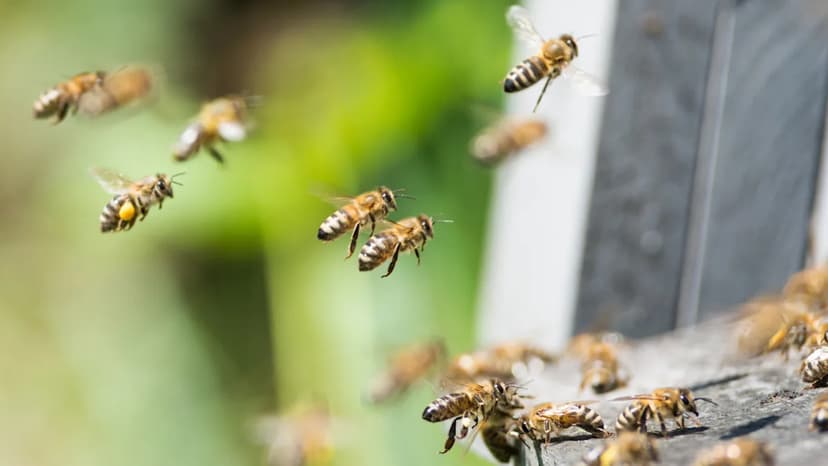
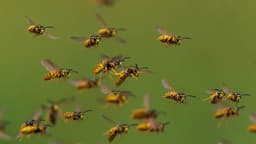
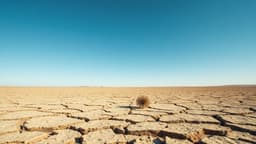
Florida is experiencing a significant crisis for its honeybee populations, with Black Hammock Bee Farms losing approximately half of its colonies. Brutal weather patterns, including a severe cold snap and prolonged drought, have decimated the bees. The cold temperatures forced the bees to expend more energy, while the drought stunted the growth of nectar- and pollen-producing plants. This environmental stress necessitates artificial feeding for the remaining bees, incurring additional costs for beekeepers.
The implications of these bee losses extend far beyond honey production. Bees are critical agricultural assets, acting as primary pollinators for a vast array of fruits, vegetables, nuts, and oilseeds. Globally, about one-third of all crop production relies on these pollinators. The same weather conditions—unseasonal cold and drought—that impact bees also directly threaten agricultural yields, exacerbating food security concerns.
These extreme weather trends are linked to atmospheric pollution, which disrupts global climate patterns. Changes in temperature and precipitation cycles create an environment where pollinators and crops alike are at increased risk. To mitigate these effects, beekeepers like those at Black Hammock are committed to extra efforts to rebuild their colonies. The public can contribute by planting native species in gardens, providing essential food sources for vulnerable bee populations.