Home / Environment / Suburbia Under Siege: Feral Pigs Invade Homes
Suburbia Under Siege: Feral Pigs Invade Homes
21 Mar
Summary
- Feral pigs are increasingly colonizing suburban areas and damaging lawns.
- Texas A&M estimates 2.6 million feral hogs roam Texas alone.
- Traditional rural control methods are difficult in suburban settings.

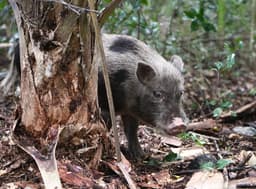
Feral pigs are increasingly migrating from rural areas into suburban neighborhoods across the United States, creating significant challenges for residents and local authorities. Descended from escaped domestic hogs and introduced European wild boar, these animals have adapted to various environments and now inhabit at least thirty-five states. Their ability to travel miles in search of food makes suburban areas with irrigated lawns and accessible water sources particularly attractive.
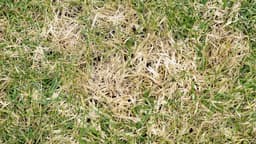
The expansion of urban developments into former ranchlands has created exurban fringes where wildlife habitats overlap with residential communities. Greenbelts, parks, and even landscaped yards provide cover and sustenance for these pigs, leading to extensive damage to lawns, athletic fields, and infrastructure. In Texas alone, agricultural losses from feral pigs exceed $100 million annually, with suburban communities now facing similar repair costs.
While generally avoiding humans, feral pigs can pose risks if cornered or threatened, with adults weighing up to 250 pounds. Encounters can lead to dangerous situations, and vehicle collisions at night are a concern. Furthermore, these animals can carry diseases transmissible to livestock, pets, and humans, including Brucellosis and pseudorabies.
Traditional control methods like night shooting or helicopter removal are often impractical and unsafe in populated suburban areas due to safety concerns, city ordinances, and property divisions. Consequently, wildlife agencies and researchers, such as those at Texas A&M AgriLife, are developing specialized strategies for urban and suburban settings. These include cooperative trapping programs, professional removal services, and robust fencing.
Coordinated efforts at local, state, and federal levels, like the USDA's National Feral Swine Damage Management Program, aim to reduce populations and minimize damage. Effective management requires ongoing actions, community cooperation, and policy adjustments, such as HOAs establishing guidelines for wildlife feeding and trash storage. Public education and consistent monitoring of pig activity are crucial for adapting strategies as animal movements change.