

Home / Environment / Feral Pigeons: Unsung Heroes of Urban Ecosystems
Feral Pigeons: Unsung Heroes of Urban Ecosystems
10 Apr
Summary
- Feral pigeons fill ecological gaps left by declining urban species.
- They served humans for millennia, from ancient messaging to wartime aid.
- Pigeons act as urban clean-up crew and food source for birds of prey.
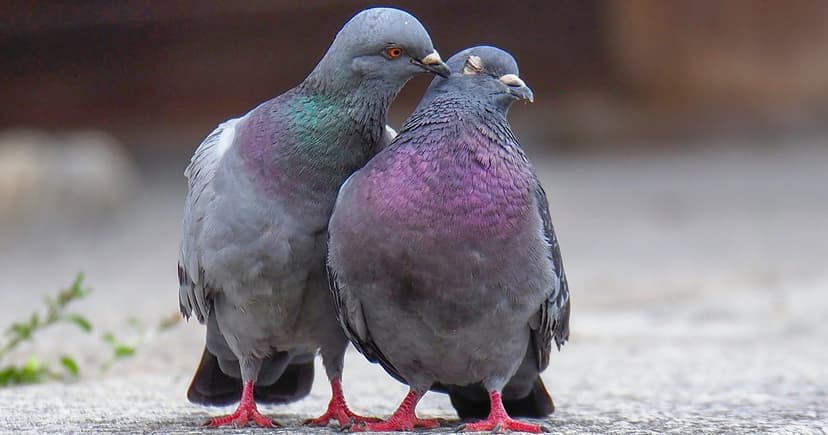
Ecologists are urging a reevaluation of the feral pigeon's role in our environment, highlighting their importance to urban ecosystems. These birds have adapted to fill ecological gaps, especially as other species struggle in city environments. Their history with humans spans millennia, from ancient uses by Egyptians and Romans for communication to vital roles in World Wars I and II, with some pigeons even receiving the Dickin Medal for their bravery.
Descendants of rock doves, feral pigeons' nesting habits mimic their cliff-dwelling ancestors, finding suitable urban ledges. While technology has replaced their messaging capabilities, many were abandoned, leading them to remain near humans, showing little fear. This close proximity allows them to assist as a clean-up crew, consuming urban waste.
Furthermore, feral pigeons are an important food source for urban predators like peregrine falcons, whose populations have rebounded partly due to this abundance. They also serve as prey for hawks and foxes. However, urban life poses risks, including entanglement in nets and infections from harsh conditions, with human-related debris often causing injury.
