


Home / Environment / Extreme Weather Sparks Heart Attack & Stroke Surge
Extreme Weather Sparks Heart Attack & Stroke Surge
24 Apr
Summary
- Extreme weather events like heatwaves and cold snaps increase major cardiovascular events.
- Air pollution significantly worsens the health risks associated with temperature extremes.
- Women and younger individuals are more vulnerable to the cardiovascular impacts of air pollution.
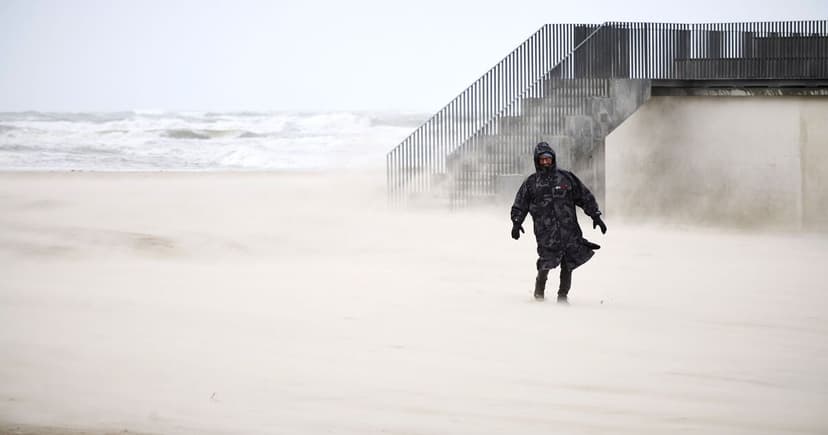
Extreme weather conditions, including heatwaves and cold snaps, are increasingly linked to significant surges in heart attacks and strokes. Research conducted in eastern Poland analyzed over eight million residents, identifying a clear correlation between temperature extremes and major adverse cardiovascular and cerebrovascular events (MACCE).
Heatwaves demonstrated an immediate impact, increasing MACCE by 7.5% on the same day of exposure. Coldwaves, conversely, exhibited a delayed but more prolonged effect, with MACCE risk rising in the days following exposure. Both scenarios were exacerbated by air pollution.
Further analysis revealed that air pollution itself is a major cardiovascular risk factor, accounting for a substantial number of deaths and years of life lost. Notably, women and individuals under 65 showed greater susceptibility to these pollution-related risks.
Scientists emphasize that climate change is no longer a distant concern for Northern Europe, highlighting the combined dangers of temperature extremes and air pollution. Future research aims to integrate environmental factors into cardiovascular risk prediction models for better prevention strategies.
