Home / Environment / Arctic Chill: Climate Change Fuels Extreme Cold?
Arctic Chill: Climate Change Fuels Extreme Cold?
23 Jan
Summary
- Global warming brings less frequent, severe cold overall.
- Polar vortex stretching may be linked to Arctic sea ice loss.
- Cold snaps like this may become rarer but more severe.
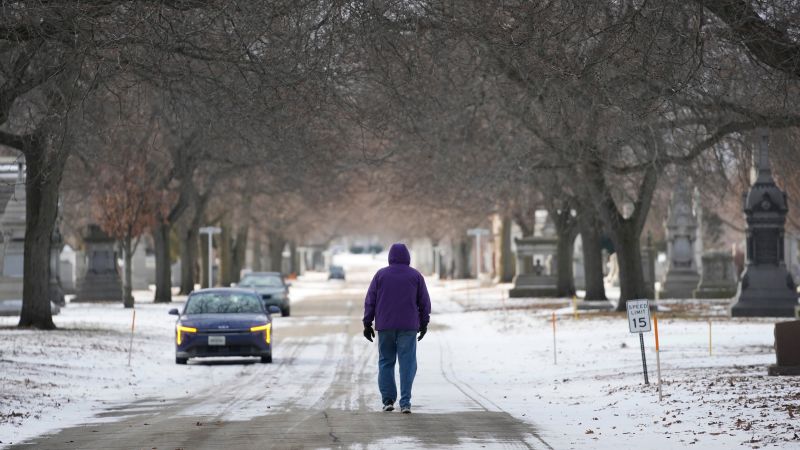
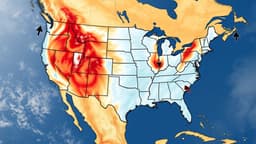
Frigid temperatures and severe winter storms can still occur despite a warming planet, with some experts suggesting climate change may even exacerbate them. While winters are generally warming, with cold records outnumbered by warm records in the US, extreme cold events remain possible.
This particular cold snap is linked to the polar vortex, a system of winds that usually contains frigid Arctic air. However, when this vortex stretches and dips south, it can bring extreme cold to mid-latitudes. Researchers are observing evidence that this stretching is tied to climate change impacts in the Arctic, such as diminishing sea ice.
Scientists emphasize that while individual weather events aren't solely attributed to climate change, the conditions enabling severe winter weather might be becoming more frequent. This suggests a "loaded dice" scenario where extreme cold events, though potentially rarer overall, can still hit with significant intensity.