Home / Environment / Exotic Pets: A Wild Risk for Homes and Wildlife
Exotic Pets: A Wild Risk for Homes and Wildlife
19 Mar
Summary
- Wild animals possess complex needs unsuitable for domestic life.
- 28% of EU wildlife seizures in 2023 targeted the exotic pet trade.
- Trafficked animals endure brutal conditions, risking disease transmission.
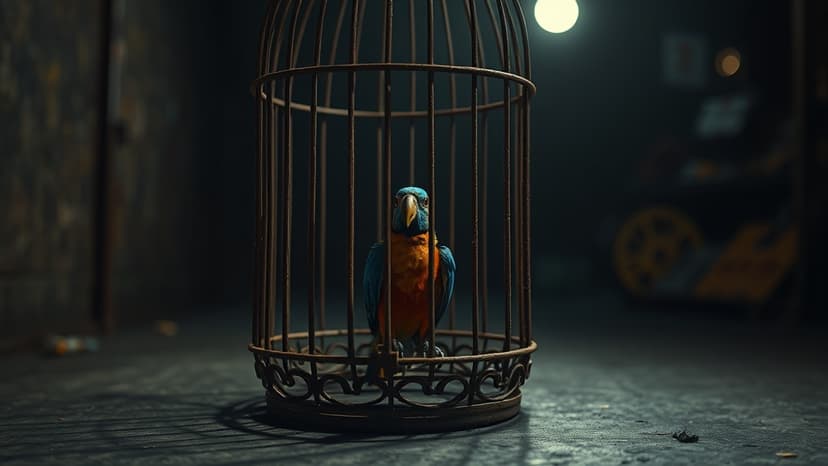
European households are home to millions of cats and dogs, but also a growing number of exotic animals like servals and tropical birds.
However, animal welfare organizations warn that these wild animals are inherently unsuitable for domestic life due to their complex needs and potential risks. These concerns are amplified by the illegal wildlife trade.
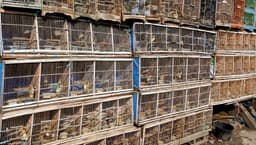
As of 2023, 28% of all wildlife seizures in the EU were connected to the exotic pet trade, making it a significant illegal sector. Birds constituted the largest variety of seized species.
Animals trafficked for the pet trade often suffer immensely during transit, lacking adequate food and water. Upon arrival, improper care can lead to health problems, and some exotic animals can transmit zoonotic diseases to their owners.