Home / Environment / Europe's Children Face 3 Years More Fire Weather
Europe's Children Face 3 Years More Fire Weather
21 Sep
Summary
- Young Europeans may face over three extra years of extreme fire weather.
- Portugal faces a doubling of extreme fire weather days annually.
- Cutting fossil fuels significantly reduces future fire weather exposure.
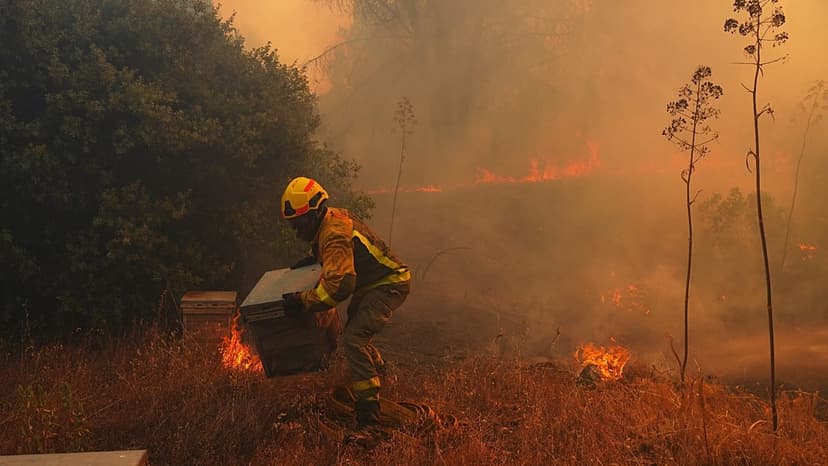
Europe is warming at more than double the global average, leading to increased extreme weather events. Children born in Europe in 2025 are projected to experience over three additional years of extreme fire weather throughout their lives if current climate policies persist.
This significant increase represents an 84% rise compared to their grandparents' exposure. The Mediterranean region, already prone to wildfires, faces even starker projections, with some children potentially enduring over five extra years of extreme fire weather if warming reaches 2.6°C by 2100.
Portugal, in particular, could see extreme fire weather days more than double annually, impacting a child born today with approximately 6.5 years of such conditions over their lifetime. Researchers highlight that each degree of additional global warming adds substantial exposure to extreme fire weather for Portuguese children.
The study underscores the urgency for ambitious climate action, advocating for rapid cuts in fossil fuel use. Aligning with the Paris Agreement's 1.5°C target could reduce lifetime exposure by over two years in the most affected southern European regions.
Achieving this goal is considered feasible with falling renewable energy costs. Experts emphasize that every fraction of avoided warming translates directly into less fire weather, safeguarding children's lives and well-being. The transition to clean energy is identified as vital to limit potential warming overshoots.


