Home / Environment / Rural Exodus Fuels Europe's Wildfire Crisis
Rural Exodus Fuels Europe's Wildfire Crisis
2 Aug
Summary
- Abandonment of rural farming communities increases wildfire fuel.
- Climate change exacerbates wildfire risk with higher temperatures.
- Prevention measures like mixed forests are more effective than fighting fires.
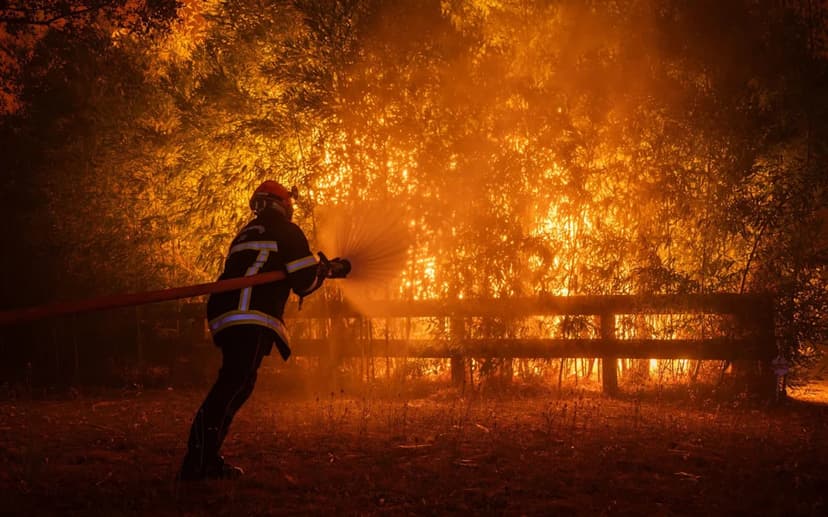
Southern Europe is grappling with devastating wildfires, a crisis exacerbated by both climate change and a decline in rural farming. The rolling hills, once managed by farmers and their livestock, have become tinderboxes due to increasing vegetation unchecked by grazing animals.
This rural exodus means farms that once held back the growth of flammable shrubs and grasses have largely disappeared. In Spain alone, millions of hectares of agricultural land have been lost as farmers retire and younger generations seek urban employment. France has seen its active farm count plummet from 1.6 million in 1970 to around 400,000.
Experts, including Dr. Thomas Smith from the London School of Economics, note an "explosion" in fire activity, with June temperatures significantly hotter than average, increasing fire risk up to 20-fold. He emphasizes that the sheer amount of "fuel" on the ground, the unmanaged vegetation, is a critical factor alongside rising temperatures.
Monoculture forests, like the closely packed pines in France's Gironde and Landes regions, contribute to the rapid spread of fires. These environments lack the natural firebreaks found in diverse, well-spaced natural forests. The sandy soils of some regions also offer poor water retention, allowing plant matter to dry out quickly.
While firefighting efforts like water bombers are often visible, experts advocate for prioritizing prevention. Spain spends significantly more on combating fires than addressing their root causes. Strategies such as planting mixed forests, increasing tree spacing, and creating firebreaks are considered more effective long-term solutions.
French President Emmanuel Macron has pledged to regrow "different kinds of forests" suited to the changing climate. Ultimately, experts warn that without addressing climate change and revitalizing rural management, Europe may face an increasingly fiery future. The goal is to learn to coexist with fires, rather than simply attempting to eliminate them.


