Home / Environment / Europe's North Sea: A New Clean Energy Reservoir
Europe's North Sea: A New Clean Energy Reservoir
26 Jan
Summary
- Eleven European countries signed the Hamburg Declaration for offshore wind.
- The pact commits to 100GW of joint North Sea wind projects by 2050.
- It aims to mobilize €1 trillion in capital and create over 90,000 jobs.
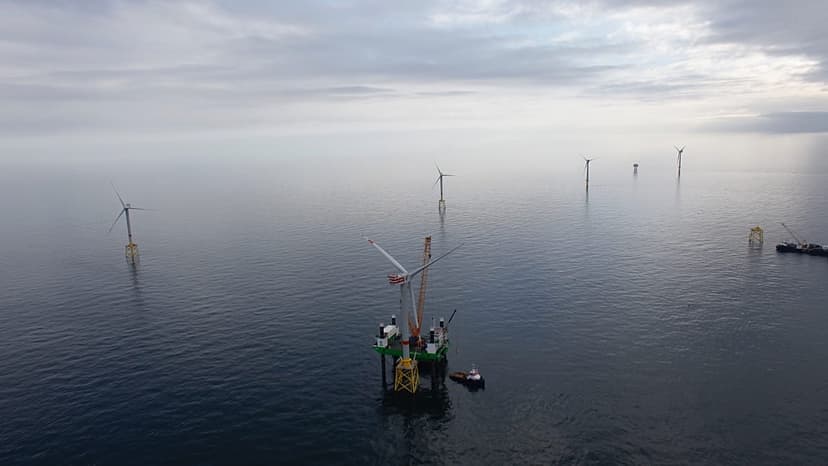
Eleven European countries have committed to a significant expansion of offshore wind power through the Hamburg Declaration. Signed on January 26, 2026, this agreement targets the development of 100GW of joint offshore wind projects in the North Sea by 2050, a scale sufficient to power approximately 143 million homes.
The declaration aims to establish the North Sea as the world's foremost clean energy reservoir, with an ambitious goal of mobilizing €1 trillion in capital across Europe. This initiative is projected to generate over 90,000 jobs and reduce power production costs by an estimated 30 percent within the next 15 years, signaling a decisive shift away from fossil fuels.
This strategic move involves creating offshore wind "hybrid assets" directly linked to multiple countries via multi-purpose interconnectors. While traditional undersea cables connect European grids, this pact marks the first instance of wind farms being directly interconnected to several nations simultaneously. This innovative approach is expected to streamline infrastructure needs, minimizing environmental and coastal community impacts.
To address potential concerns, such as those experienced in Norway where interconnectors have led to fears of reduced domestic supply and higher energy bills, governments are implementing strict regulations. These rules will ban electricity exports when domestic supply is at risk, ensuring national energy security and affordability as countries transition towards greater energy sovereignty and abundance.