Home / Environment / Europe's Seas Boil: Record Heat Sinks Fisheries
Europe's Seas Boil: Record Heat Sinks Fisheries
26 Sep
Summary
- European seas recorded their hottest summer since 1982.
- Marine heatwaves cause widespread ecosystem transformation.
- Fisheries face catastrophic consequences due to warming waters.
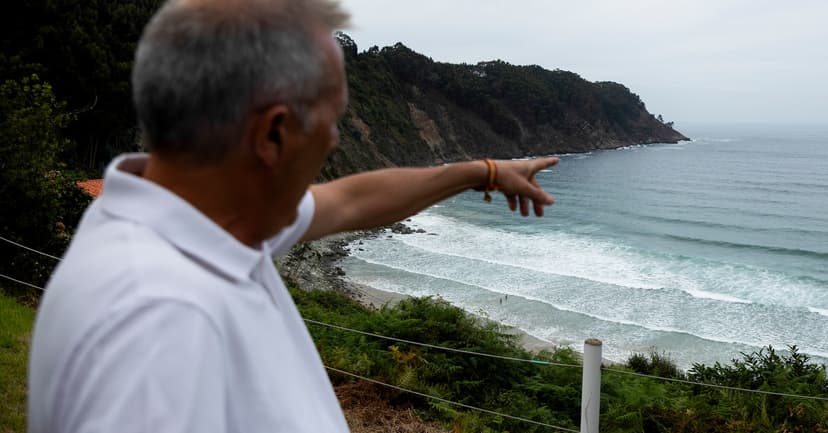
European waters have recorded their hottest summer months since reliable satellite data began in 1982, with temperatures soaring across regions from the English Channel to the Mediterranean. Scientists warn that such marine heatwaves are escalating in frequency and intensity due to global greenhouse gas emissions, fundamentally altering marine ecosystems.
These climatic shifts are devastating for European fisheries. In the Bay of Biscay, kelp forests crucial for small-scale fisheries have largely vanished, replaced by species thriving in warmer conditions. This ecological collapse threatens the livelihoods of coastal communities in Spain and England, with species that have sustained them for generations disappearing.
Similar impacts are observed in the Mediterranean, where invasive species disrupt native populations and food chains. Off the coast of England, warmer waters have led to a surge in octopus populations, causing an "octopus apocalypse" for local shellfishermen who are experiencing significant losses in crab and lobster catches. This unpredictable environmental change poses a severe threat to traditional fishing practices.


