Home / Environment / Europe's Solar Boom Faces 'Dark Lull'
Europe's Solar Boom Faces 'Dark Lull'
8 Nov
Summary
- Cloudy weather is diminishing Europe's solar and wind power generation.
- A 'dunkelflaute' event strains the grid, increasing reliance on polluting sources.
- German day-ahead power prices surged, doubling from October's average.
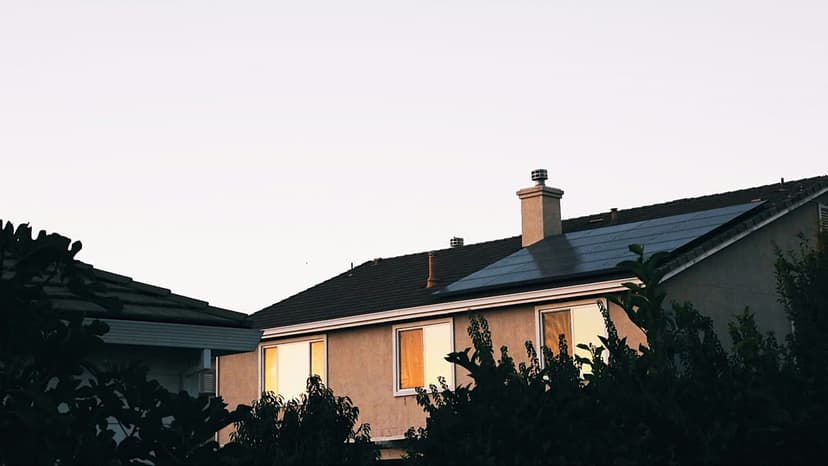
Europe is experiencing a 'dunkelflaute,' a phenomenon of diminished solar and wind power generation due to persistent cloudy and windless conditions. This period, typically occurring from October to February, coincides with increased energy demand for heating, potentially straining the continent's power grid.
During such 'dark lulls,' the grid often resorts to more polluting backup sources, like natural gas. For instance, German day-ahead power prices recently surged, with hourly rates exceeding €500 per megawatt-hour. Even households with solar panels are seeing reduced output, leading to greater reliance on grid electricity, as experienced by a UK resident whose panels generated significantly less power during overcast days.
While solar energy has been a crucial contributor to the EU's energy transition, saving billions in avoided gas imports, its performance dips in winter. Solar's share of electricity generation in the EU dropped from 25.4% in June to 13.2% in October. However, hydropower generation has been rising since last year, helping to offset some of the solar dips. Solar power was also vital during summer heatwaves, offsetting increased electricity demand for cooling.


