

Home / Environment / Biofuels: Europe's Risky Climate Gamble?
Biofuels: Europe's Risky Climate Gamble?
2 Apr
Summary
- Europe uses land the size of Ireland for biofuel crops.
- Switching to electric vehicles is a more sensible move.
- Biofuels linked to deforestation and inflated food prices.
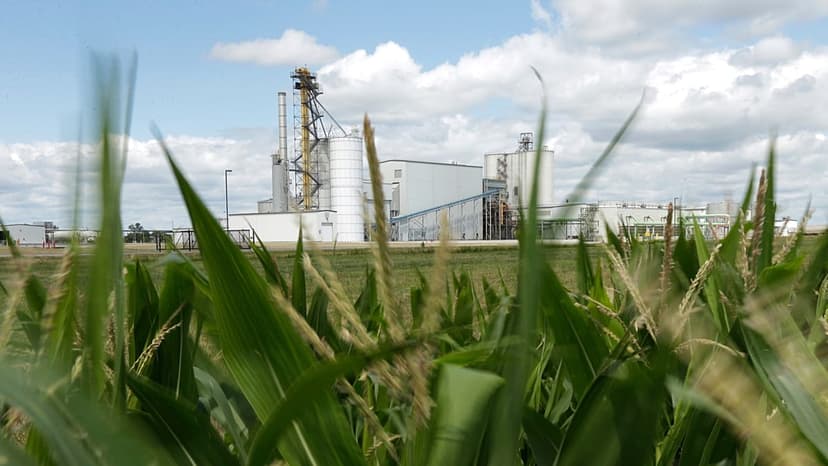
Europe is increasingly turning to biofuels as a potential solution to dwindling oil supplies, exacerbated by ongoing geopolitical conflicts. EU nations are urged to reduce their reliance on oil and gas, particularly in transport, amidst global shortages.
A recent study by Karlsruher Institut für Technologie suggests Europe possesses sufficient renewable resources to power transport without fossil fuels, especially by utilizing residual and waste materials like agricultural straw and wood scraps.
However, climate experts express skepticism, labeling e-fuels as a niche solution and advocating for a transition to electric vehicles (EVs). They argue that EVs offer a clean, efficient, and increasingly affordable technology for the mass market.
The utilization of land for biofuel crops, such as corn and sugarcane, raises serious concerns. This practice can divert land from food production, driving up global food prices and exacerbating food insecurity. Reports indicate Europe wastes land the size of Ireland on biofuel crops, which could otherwise feed millions or be restored to nature.
Furthermore, the environmental credentials of biofuels are questioned, as their production, harvesting, and processing often rely on fossil fuels. Deforestation in critical ecosystems like the Amazon rainforest has also been linked to the cultivation of crops for biofuels, casting doubt on their carbon neutrality.

