Home / Environment / EU Fights Fires, But Arson Investigations Lag
EU Fights Fires, But Arson Investigations Lag
29 Jul
Summary
- EU excels at coordinated wildfire response and detection.
- Intentional fire investigations remain fragmented nationally.
- Climate change exacerbates wildfire impact, not ignition cause.
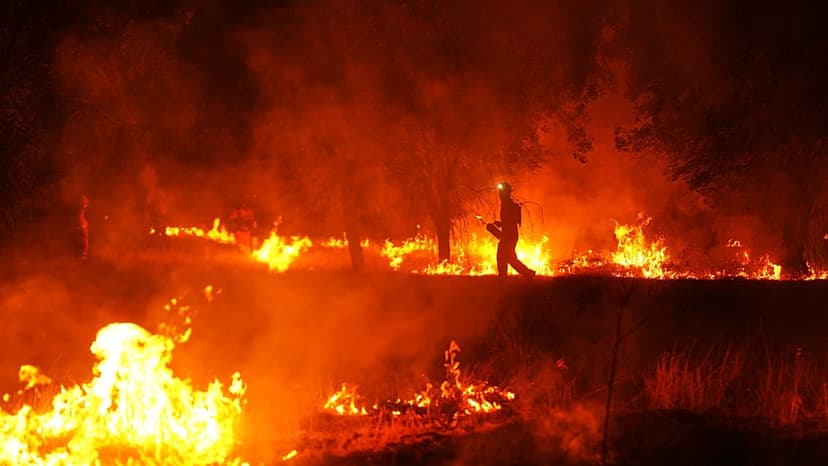
Europe has significantly advanced its wildfire detection and emergency response coordination systems. Through mechanisms like the EU Civil Protection Mechanism and the rescEU reserve, the continent can now mobilize resources and aircraft effectively across borders.
Despite these capabilities, the EU faces a critical blind spot concerning intentional fires. Arson remains a fragmented national matter, with disparate criminal laws, investigation techniques, and reporting practices hindering a unified understanding.
Authorities can map fires from space and coordinate responses, but a common European picture of arsonists and their motives is absent. This criminal intelligence gap contrasts with other cross-border crime areas where harmonized statistics are available.
While climate change intensifies the destructive potential of wildfires through hotter summers and droughts, it is not directly linked to an increase in individuals deliberately setting fires. The EU's Copernicus program provides extensive data on fire locations and spread, but cannot determine intent or perpetrators.
Some southern European nations have attempted to disincentivize arson by restricting the rapid conversion of burned land to other uses, aiming to break cycles of land speculation. However, researchers caution that economic motives are not the sole driver behind intentional fires.


