Home / Environment / EU Nations Forge Path Beyond Fossil Fuels
EU Nations Forge Path Beyond Fossil Fuels
19 Nov
Summary
- Several EU countries are creating roadmaps to transition away from fossil fuels.
- COP31 draft agreement calls for accelerated action to phase out fossil fuels.
- Financing remains a key, contested issue for developing nations' energy transition.
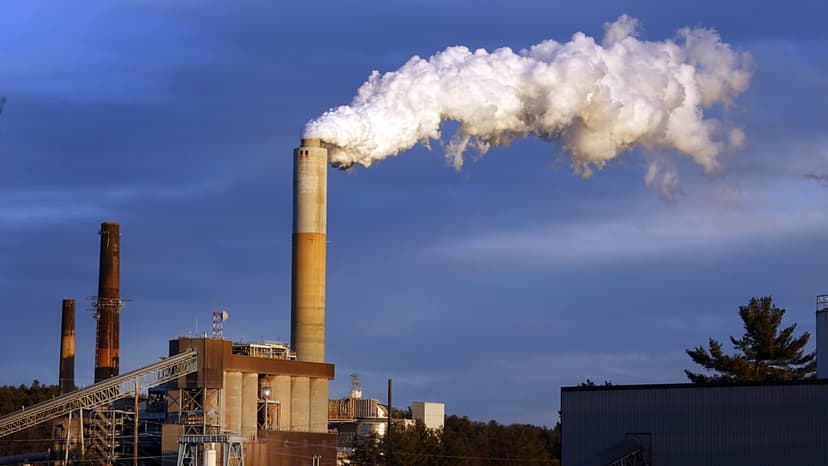
As COP31 negotiations continue, an increasing number of European Union countries are establishing national roadmaps for transitioning away from fossil fuels. Finland, France, Germany, and the Netherlands have been joined by four more EU nations in this initiative, signaling a growing commitment to reducing reliance on coal, oil, and gas. This push comes as the UN climate summit grapples with strong language in a draft deal, advocating for accelerated action to phase out fossil fuels in energy systems.
Despite the momentum from countries like Finland, which already generates over 96% of its electricity from non-fossil sources, challenges persist. The critical issue of financing for developing nations to facilitate their clean energy transition remains a major point of contention at the summit. While electrification is a key goal, critics warn that without a clear link to phasing out fossil fuels and adequate financial support, it may not be sufficient to meet global climate objectives. Turkey, a co-host, faces scrutiny due to its reliance on coal and continued fossil fuel exploration.
Discussions at COP31 also highlight the '35x35' pledge, aiming to increase the global share of electricity in energy demand to 35% by 2035. This goal has garnered support from numerous countries, including the UK and the EU Commission, as a means to enhance energy security. However, concerns are raised that without clean electricity generation, electrification efforts could inadvertently support continued investment in fossil fuels.


