Home / Environment / Afar's Pastoralists Shift to Farming Amidst Climate Crisis
Afar's Pastoralists Shift to Farming Amidst Climate Crisis
2 Jan
Summary
- Traditional Afar tukuls offer mobile shelter for nomadic herders.
- Climate change causes extreme drought and flooding in Afar.
- Pastoralists are shifting to agro-pastoralism for survival.
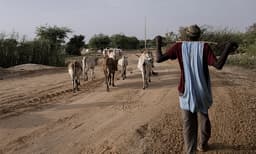
In Ethiopia's Afar region, the iconic, mobile tukuls are a testament to a nomadic pastoralist heritage. Historically, these flexible shelters facilitated the movement of camel and sheep herders seeking pasture across the arid landscapes. This region, known as the cradle of humanity, has experienced significant climate shifts since the era of 'Lucy,' with human-driven climate change now exacerbating arid conditions.
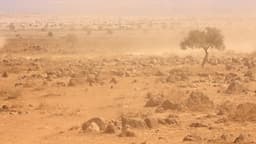
Climate change is driving extreme weather patterns in Afar, manifesting as severe droughts and intense flooding that degrade land and disrupt traditional livelihoods. Droughts, once a decadal event, now occur annually, devastating livestock, the primary wealth of these communities. Intensified rainstorms also bring destructive winds, further imperiling both people and animals.
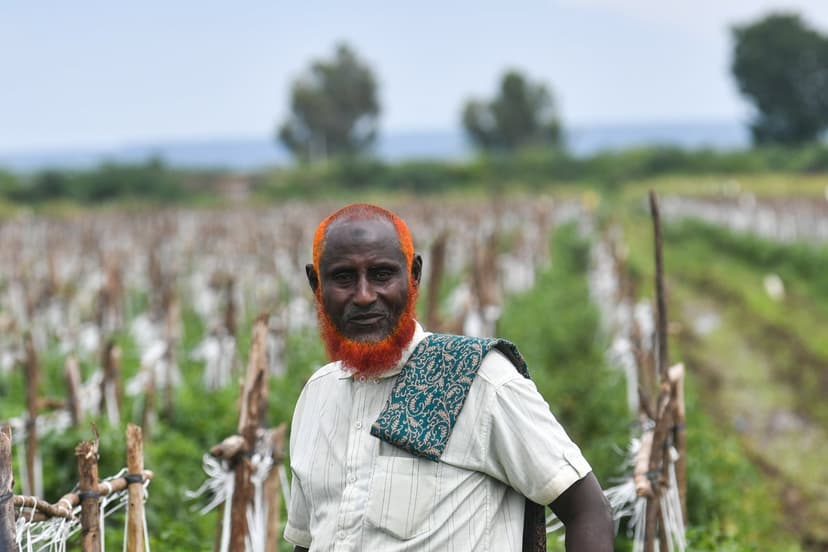
To cope with these escalating challenges, many Afar families are adopting agro-pastoralism, combining farming with herding. This shift, supported by humanitarian organizations like the World Food Programme, offers a more resilient strategy against climate shocks, though aid cuts pose a significant threat to these adaptation efforts.