Home / Environment / EPA Defends Tough Lead Pipe Rule
EPA Defends Tough Lead Pipe Rule
21 Feb
Summary
- EPA supports a 10-year deadline for lead pipe replacement.
- New rules lower lead trigger to 10 parts per billion.
- The Biden administration's rule is now being defended.
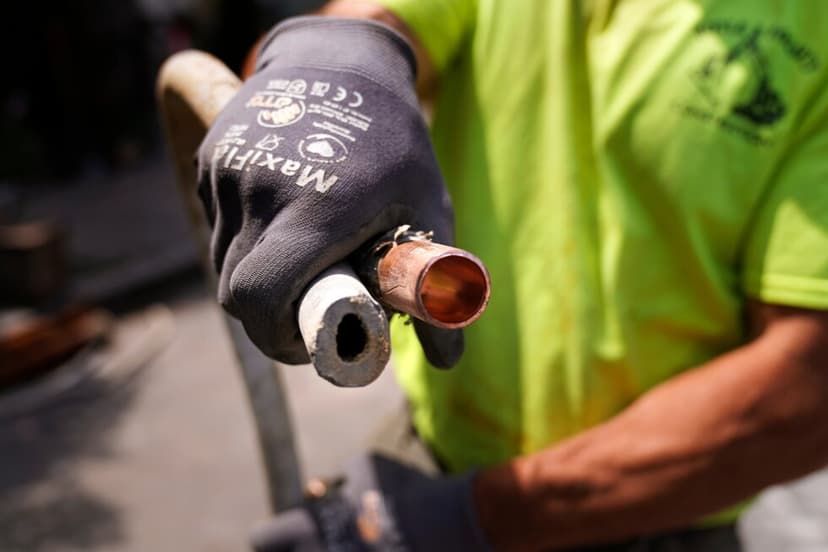
The Trump administration has declared its support for a robust 10-year deadline mandating the replacement of harmful lead pipes across most cities and towns. This stance involves defending a strengthened rule, previously approved under the Biden administration, designed to reduce lead contamination in drinking water.
The Environmental Protection Agency (EPA) informed a federal appeals court that it will uphold the most significant overhaul of lead-in-water standards in three decades against a legal challenge initiated by a utility industry association. This move signifies a departure from the administration's typical deregulation focus, particularly in environmental matters.
The agency's court filing stated that replacing lead service lines within the stipulated 10-year timeframe is essential and feasible to prevent adverse health effects, as mandated by the Safe Drinking Water Act. Previous rules, which relied on chemical treatment and monitoring, were found to be insufficient in preventing widespread lead contamination and associated health issues.
The finalized Biden-era rule, effective from 2024, lowers the action level for lead to 10 parts per billion. This updated standard is projected to protect hundreds of thousands of infants from low birth weight and prevent thousands of premature deaths annually. Despite concerns from environmental activists about potential loopholes, the EPA committed to developing tools for practical implementation.
Lead, a potent neurotoxin, poses significant risks, especially to children's development and adult cardiovascular health. Lead pipes, prevalent in older infrastructure, are a primary source of lead contamination. The previous administration's regulations were less stringent and did not mandate comprehensive pipe replacement.
The American Water Works Association challenged the rule, arguing that utilities should not be responsible for lead pipes on private property. However, the EPA countered that utilities possess sufficient control to be required to replace entire lead pipes. The agency also asserted that the 10-year deadline is achievable, citing data from numerous water utilities that indicate widespread capacity for replacement within this period.
Lead pipes are most commonly found in older urban areas like Chicago, Cleveland, Detroit, and Milwaukee. The revised measurement methods for lead could identify more communities in violation of the standards. This effort is complemented by federal funds aimed at assisting communities with the costly infrastructure upgrades required to address lead and PFAS contamination.