


Home / Environment / Fly-Tipping Soars: 1.26M Incidents Last Year
Fly-Tipping Soars: 1.26M Incidents Last Year
15 Apr
Summary
- England saw nearly 1.26 million fly-tipping incidents last year.
- Household rubbish constitutes the majority of dumped waste.
- Haringey emerges as a hotspot for hazardous waste dumping.
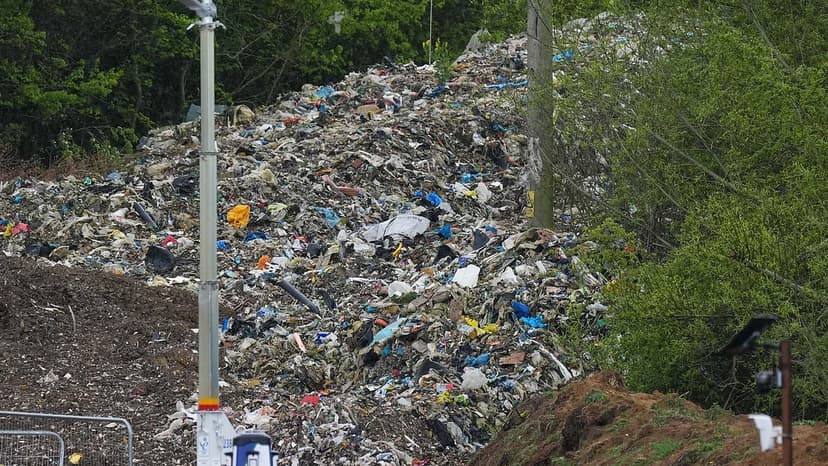
Last year, England witnessed a significant increase in fly-tipping incidents, with authorities handling nearly 1.26 million cases, a 9% rise from the previous year. The majority of this illegally dumped waste, 62%, consisted of household rubbish, commonly found discarded on pavements and roadsides. While small loads remain frequent, larger dumpings, including tipper lorry loads, have also increased.
Hazardous waste fly-tipping, though less than 1% of total incidents, is a growing concern. Analysis revealed Haringey in north-east London as a hotspot for hazardous waste, with significant numbers of asbestos and chemical drum incidents. Liverpool recorded the highest total hazardous incidents, but Haringey had the highest rate per capita.
Experts attribute the rise in fly-tipping to high disposal costs and increased difficulty in accessing official tips. Rogue waste operators who illegally dump waste to cut costs are also a major factor. Councils spend substantial amounts on clearance, funded by taxpayers. Responsibility for clearance typically falls to local authorities on public land, while private landowners may bear costs on their property. Citizens are urged to report any fly-tipping, especially hazardous waste, to the council without touching it.
