

Home / Environment / King Charles England Coast Path Faces Access Issues
King Charles England Coast Path Faces Access Issues
20 Apr
Summary
- Landslides and erosion have made parts of the England Coast Path inaccessible.
- Landowner agreements and seasonal wildlife restrictions limit full access.
- The path's continuity is vital for coastal economies and tourism revenue.
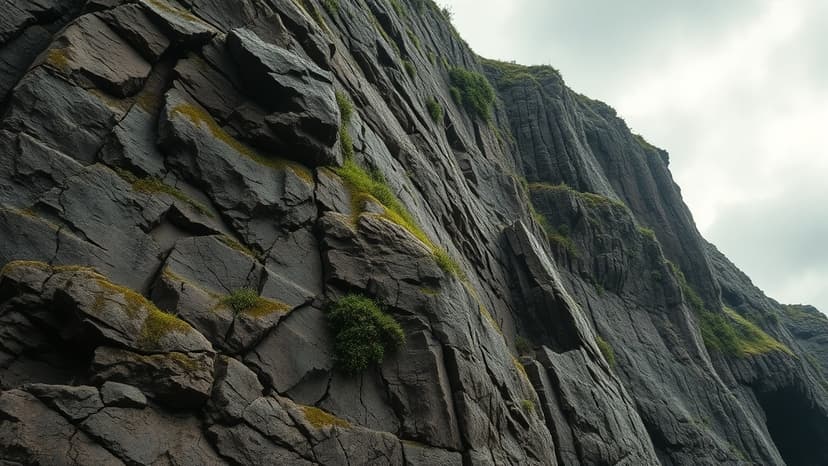
Maintaining the entire King Charles III England Coast Path, a 2,689-mile route, poses significant challenges. Recent landslips and erosion have rendered parts of the path inaccessible, necessitating reroutes or closures, particularly along the south west and Dorset's Jurassic coast.
Securing full access is complicated by landowner negotiations and seasonal restrictions. Natural England notes that while public footpaths have fixed legal lines, the King's path offers more flexibility for route amendments. However, not all landowners have permitted land use, leading to limitations and seasonal closures for wildlife protection, such as areas with birthing seals and wintering birds.
The path's continuity is crucial for coastal economies, with the South West Coast Path alone contributing over £500 million annually and supporting approximately 10,000 jobs. Walkers and tourism leaders express frustration over access gaps, such as the abrupt end at Southampton Water where the Hythe Ferry has been out of service since August 2024, impacting its potential as a truly continuous trail.
