Home / Environment / Endhó Dam: A 'World's Largest Cesspool' Creates Health Disaster
Endhó Dam: A 'World's Largest Cesspool' Creates Health Disaster
17 Sep
Summary
- Communities near Endhó Dam face high cancer rates due to pollution.
- Mexico City's wastewater and industrial runoff created a 'sacrifice zone'.
- Residents battle mosquitoes and contaminated well water, with little government aid.
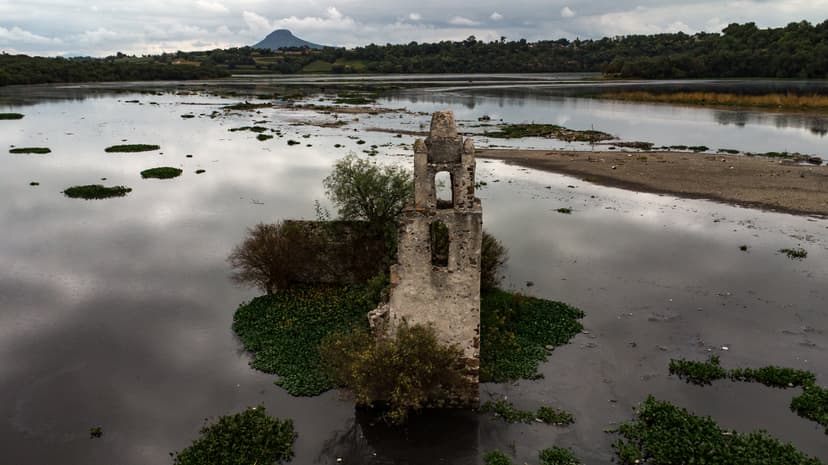
Communities near Mexico's Endhó Dam are suffering from a prolonged environmental and health crisis, with residents dubbing the area the "world's largest cesspool." For decades, the dam has received wastewater and industrial runoff from Mexico City and surrounding factories, creating a toxic 'sacrifice zone' impacting over 20 communities. Residents report a surge in cancer deaths and illnesses, with local activism highlighting at least 42 cancer-related deaths in a few blocks.
The pollution has not only caused severe health issues but also created a breeding ground for mosquitoes due to invasive water hyacinth choking the reservoir. This infestation forces residents indoors and drains finances for insect repellent. Access to clean drinking water is also compromised, with government studies showing wells contaminated with heavy metals and industrial solvents, directly linked to the dam's toxic brew.
While the government acknowledged the environmental neglect and initiated remediation efforts in 2024, critics argue the plan is inadequate. It lacks dedicated public health funding and relies on insufficient budgets, leaving residents feeling their immediate health concerns are sidelined. The long-term health consequences and the government's response remain a critical concern for the affected population.


