Home / Environment / Iguana Love Nest: Critically Endangered Reptiles Thrive
Iguana Love Nest: Critically Endangered Reptiles Thrive
18 Dec
Summary
- Lesser Antillean iguana population rebounded from zero to 300.
- Green iguanas pose a significant threat due to competition and hybridization.
- Prickly Pear East Cay serves as a critical predator-free sanctuary.
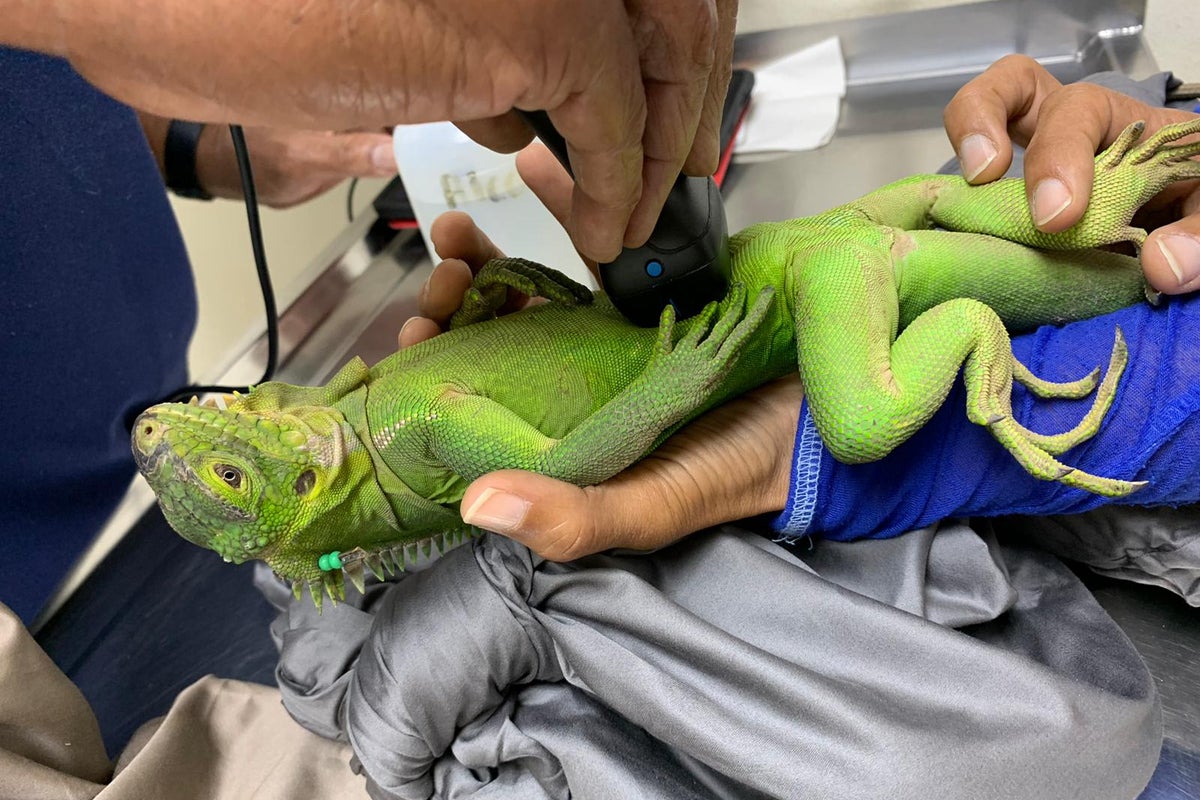
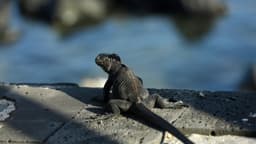
Prickly Pear East Cay in the Caribbean has been transformed into a haven for the critically endangered Lesser Antillean iguana. Nearly a decade ago, this islet's iguana population was zero. Determined scientists from Anguilla relocated 10 iguanas to the predator-free cay, leading to a remarkable population surge to 300 individuals and counting. This conservation success story makes Prickly Pear East Cay one of only five global sites where the species is experiencing a comeback.
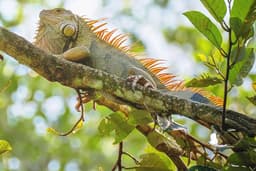
The Lesser Antillean iguana, native to the eastern Caribbean, once inhabited numerous islands but is now extinct on several and scarce on others. Its primary threat is the invasive green iguana, introduced from Central and South America. Green iguanas are more prolific, territorial, and consume more food. Crucially, they interbreed with Lesser Antillean iguanas, jeopardizing the genetic integrity of the native species.
To combat this, scientists captured and relocated 23 Lesser Antillean iguanas from Anguilla to Prickly Pear East starting in 2015. Efforts were later expanded to Dominica, which has the largest population, to secure more females and boost genetic diversity. These relocated iguanas, after careful monitoring and DNA testing, have successfully bred on the cay, offering renewed hope for the species' survival.