Home / Environment / Critically Endangered Bats Decline Sharply at Maternity Site
Critically Endangered Bats Decline Sharply at Maternity Site
29 Jul
Summary
- Thousands of southern bent-wing bats missing from key maternity site.
- Population decline of 14-16% recorded at Naracoorte cave.
- Habitat loss and insect decline are potential causes for the drop.
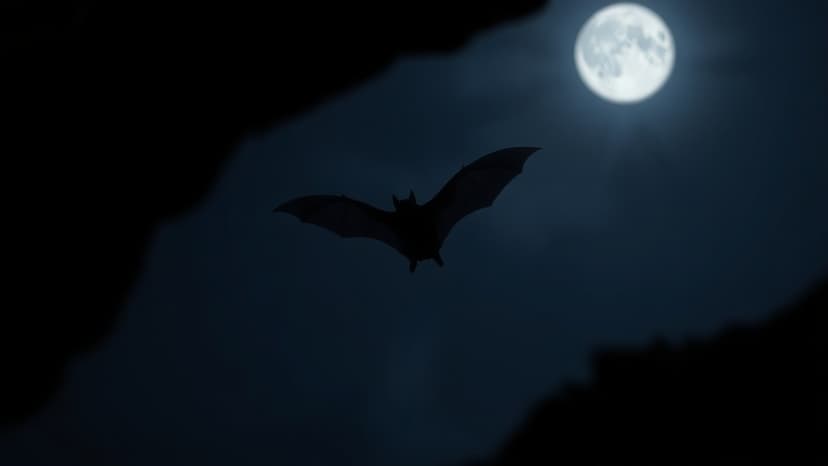
A significant and concerning decline in the critically endangered southern bent-wing bat population has been observed at a vital maternity site. This summer, scientists recorded approximately 5,000 fewer bats at the Naracoorte 'bat cave' in South Australia, a crucial location for the species' reproduction. The peak population, which typically averages 28,600 adults over the past five years, saw a reduction of 14-16%.
Experts are alarmed by this sudden drop, as the species is already listed among Australia's eight critically endangered mammals. Factors such as habitat clearing, drought, a reduction in flying insects, and human disturbance at roosting sites are being investigated. The South Australian environment department also noted risks from wind turbine collisions and potential diseases like white-nose syndrome, though the latter has not yet been detected in Australia.
Conservation efforts are underway, including a federally funded project focused on habitat restoration. This involves working with landowners to restore caves and replant native corridors to support insect populations, thereby increasing the bats' food supply. The long-term survival of the southern bent-wing bat, a unique species that has inhabited the area for around 500,000 years, hinges on addressing these threats and increasing community involvement in habitat preservation.


