Home / Environment / Elephants Cross Borders: Human-Wildlife Conflict Rises
Elephants Cross Borders: Human-Wildlife Conflict Rises
11 Aug
Summary
- Wild elephant herds moving between India and Nepal highlight transboundary conservation challenges.
- Shrinking forests and human settlements escalate human-elephant encounters.
- Community volunteers called Gajmitras play a vital role in conflict management.
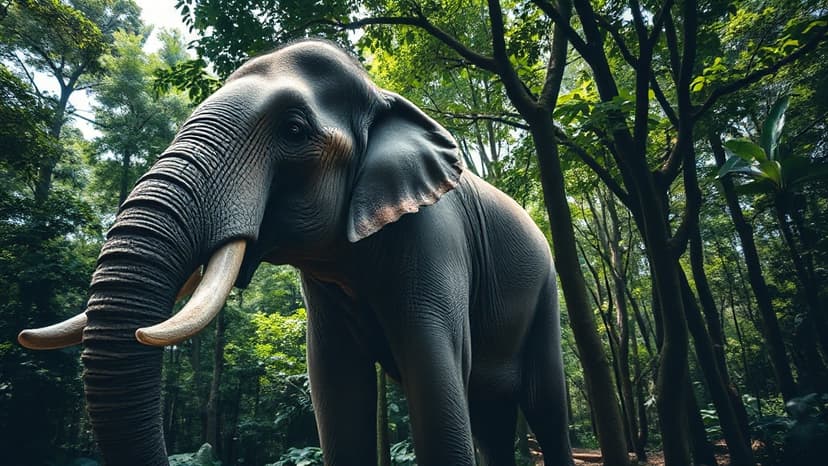
Wild elephant herds are increasingly traversing the India-Nepal border, moving between Nepal's Chitwan and Parsa protected areas and West Champaran's Valmiki Tiger Reserve (VTR). This transboundary movement, while a natural ecological process, is intensifying human-elephant conflict. Conservationists attribute this rise to shrinking forests and expanding human settlements, which bring elephants into closer proximity with agricultural lands and villages. Traditional elephant corridors are vital for this movement, but habitat fragmentation makes management challenging. The forest department faces difficulties in controlling crowds and safely guiding herds back to forest areas. Community volunteers, known as Gajmitras, have become essential in managing these situations. They provide early warnings, relay herd locations to forest officials, and help manage crowds, though their role is strictly advisory and supportive of trained personnel. Protecting these traditional corridors, restoring degraded forests, and enhancing community participation are crucial for long-term coexistence. Better coordination between Indian and Nepali forest authorities is also vital for effective monitoring and response to these cross-border movements. Documentation of conflict incidents is recommended to identify hotspots and improve management strategies.


