Home / Environment / Rivaldo's Survival: A Glimmer of Hope in Human-Elephant Strife
Rivaldo's Survival: A Glimmer of Hope in Human-Elephant Strife
6 Mar
Summary
- One elephant died from burns; another was rewilded successfully.
- AI technology aids in preventing train collisions with elephants.
- Habitat protection and corridor reclamation are key conservation goals.
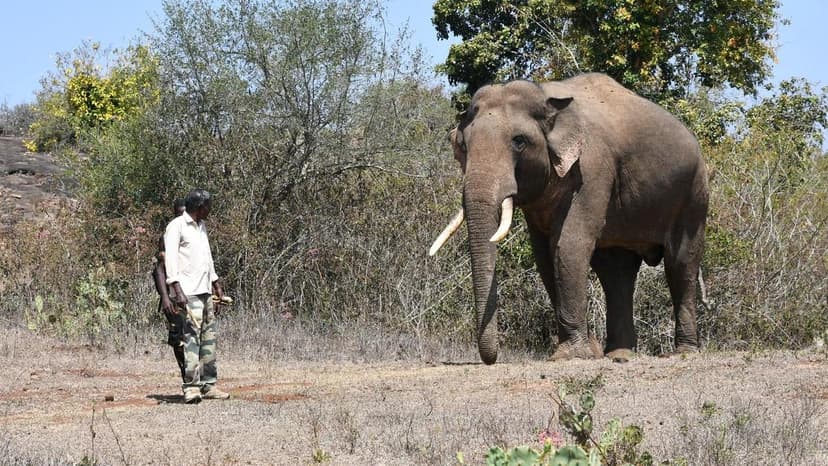
The story of two elephants, Rivaldo and Ronaldo, in Tamil Nadu's Nilgiris region, serves as a stark illustration of the escalating human-animal conflict. Ronaldo tragically died in 2021 from severe burn injuries sustained from a burning projectile thrown by an illegal resort owner, while Rivaldo, following intensive rewilding efforts by the Tamil Nadu Forest Department, continues to thrive in the wild. These efforts represent cutting-edge conservation, giving conflict-affected animals a chance to live freely.
The department's policy prioritizes driving animals back into forests or relocating them, offering the best ecological niche to discourage problematic behaviors like crop-raiding. Initiatives like the AI-based early warning system in Coimbatore have significantly reduced elephant fatalities from train collisions. Furthermore, AI cameras are being deployed at 90 conflict points in the Nilgiris to monitor elephant movements and alert communities, a less intrusive approach than traditional barriers.
Conservationists emphasize that only a small subset of elephants, primarily young males, are habitual crop-raiders. Addressing this requires protecting habitats and reclaiming crucial wildlife corridors, such as the 'Section 17 lands' in Gudalur. This involves finding solutions for settlers and reconsidering land leases to reforest vital animal pathways. The rise in wildlife populations necessitates expanding usable habitats to prevent animals from venturing into human settlements in search of food.
Beyond elephants, conflicts with carnivores like tigers are also increasing, prompting calls for rescue centers for ailing animals and monitoring of 'cattle-lifters' to pre-emptively manage potential man-eaters. The Forest Department is also cracking down on illegal electrical fences and employing technical solutions like elephant-proof trenches and modified ration shops to deter animals from human areas, alongside leveraging indigenous knowledge for animal management.