Home / Environment / Can Celebrity Animals Truly Save Wildlife?
Can Celebrity Animals Truly Save Wildlife?
26 Feb
Summary
- Individual animal fame can inspire but doesn't replace population-level conservation.
- Naming wild animals creates emotional connections and public interest.
- Celebrity animals can drive tourism and local economies but pose risks.
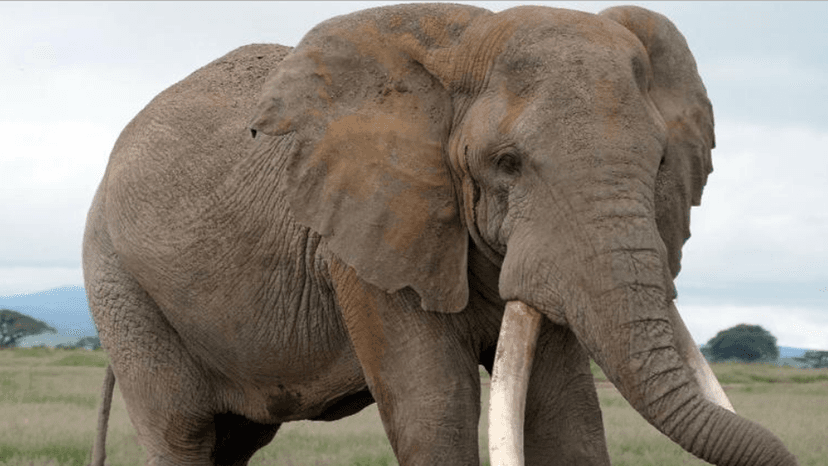
The passing of Craig, a majestic 'super tusker' elephant from Kenya's Amboseli National Park, has reignited discussions about the role of individual animals in conservation efforts. Craig became a global symbol, embodying wilderness, survival, and the urgent need for wildlife protection.
His fame, amplified by iconic photographs and personal encounters shared by tourists and guides, underscored the power of naming wild animals. This practice transforms them from anonymous species members into characters, fostering public affection that conservationists hope can extend to broader ecological awareness.
Historical examples, such as Jane Goodall naming chimpanzees and Dian Fossey naming gorillas, demonstrate how individual stories build empathy. Similarly, India's famed tigress Machli became a tourism draw, generating significant revenue and indirectly supporting conservation goals by sustaining local livelihoods.
However, this approach is not without its challenges. Wildlife tourism centered on celebrity animals can lead to ecological strain, with resorts expanding and tourist activities crowding natural habitats. Critics argue that the focus can narrow to charismatic megafauna, potentially overshadowing the needs of entire ecosystems and turning conservation into a commercial enterprise.
The article cautions against conflating individual animal welfare with species conservation. Natural ecological processes include injury, starvation, and death, which regulate populations. While interventions may feel compassionate, they rarely alter broader population trends unless a species is critically endangered, as with the great Indian bustard.
Conservation biologist K. Ullas Karanth has noted that diverting limited resources to high-profile rescues can detract from essential habitat protection and population management. From a scientific standpoint, Craig's genetic lineage, carrying rare traits for large tusks, was paramount. Yet, individual animals can serve as ambassadors for coexistence, as seen with elephant Singari in Tamil Nadu, where local communities developed protective attitudes.
When famous animals are involved in human-wildlife conflict, public opinion often divides, creating difficult dilemmas for authorities. The case of tiger Ustad (T-24) exemplifies this, pitting admiration against the safety concerns of local communities. Scientists warn that failing to manage such conflicts decisively can erode local support, which is crucial for long-term conservation.
Ultimately, the article suggests that iconic animals are powerful storytellers that capture attention and open emotional pathways for conservation messages. However, they are not the entire picture. True conservation depends on less visible but vital efforts like habitat protection, law enforcement, community partnerships, and securing funding, all of which are essential for protecting entire landscapes.