Home / Environment / El Niño: Portugal Faces Indirect Wildfire Risk
El Niño: Portugal Faces Indirect Wildfire Risk
19 Jun
Summary
- El Niño's effects on Portugal are indirect, not direct.
- Wildfire risk is a major indirect concern for Portugal.
- Extreme heatwaves could amplify risks due to dry biomass.
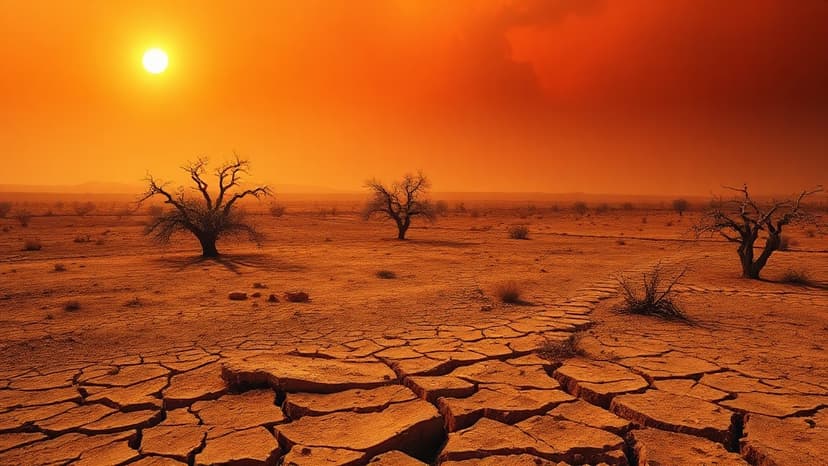
The phenomenon known as El Niño is projected to occur soon, with forecasts indicating a "very high" intensity and a potential duration until 2027. While its direct influence on Portugal is expected to be minimal, indirect consequences are a significant concern for the country. The primary indirect threat identified is an elevated risk of wildfires.
Climatologists liken El Niño's global influence to ripples spreading from a stone dropped in a pond, with direct impacts diminishing significantly by the time they reach Europe. However, Portugal, particularly the Mediterranean region, faces amplified risks due to climate change.
An "explosive cocktail" of factors, including a potential for severe heatwaves akin to the 2003 event and increased dry biomass from fallen trees due to past storms, could lead to large-scale fires. This heightened wildfire risk is compounded by predictions of very high temperatures, potentially exceeding 40°C, in inland areas soon.
While El Niño itself is a natural phenomenon not caused by climate change, global warming can amplify its effects. The World Meteorological Organization has noted an 80% probability of El Niño developing between June and August, with its impacts expected to last until the year's end.


