Home / Environment / Panama Bay Sees Rare Seabird Invasion Amid El Niño
Panama Bay Sees Rare Seabird Invasion Amid El Niño
14 Aug
Summary
- South American seabirds appearing in Panama due to El Niño's warming Pacific.
- Unusual numbers of blue-footed boobies sighted near Panama City.
- El Niño disrupts marine food chains, forcing birds to seek new feeding grounds.
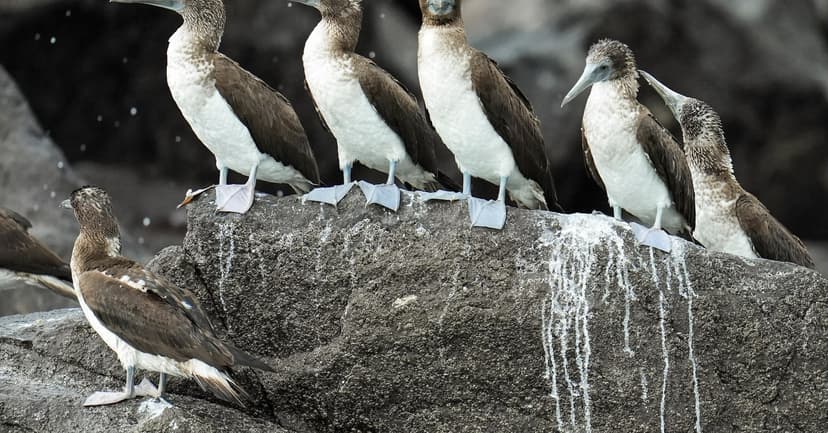
Flocks of seabirds, typically found in the cold waters off Peru and Chile, are now a common sight in Panama Bay. This unusual presence is a direct consequence of a powerful El Niño event warming the eastern Pacific Ocean and depleting marine food sources.
These migratory birds are being forced to travel great distances in search of sustenance as fish like anchovies and sardines move away from their traditional feeding grounds. Researchers note that these sightings serve as an early indicator of the broader impacts of ocean warming on marine ecosystems and food chains.
The disruption extends to the base of the marine food web, as El Niño events deepen the thermocline, separating warm surface waters from cooler, nutrient-rich depths. This makes vital nutrients less accessible, leading to a decline in overall marine productivity. Scientists are continuing to study the complex relationship between climate change and the El Niño-La Niña cycle, with several strong events occurring in recent decades.
As ocean temperatures continue to rise, the long-term effects on marine life and the possibility of altered El Niño patterns remain subjects of ongoing scientific investigation. The rare seabirds, a testament to current environmental shifts, may depart as suddenly as they arrived if ocean conditions normalize.


