Home / Environment / Antarctic 'Doomsday Glacier' Mission Hits Ice Wall
Antarctic 'Doomsday Glacier' Mission Hits Ice Wall
9 Feb
Summary
- Mission to unstable Thwaites Glacier failed as instruments got stuck.
- Drilling efforts aimed to gather data from beneath the 'Doomsday Glacier'.
- Collapsed glacier could raise global sea levels by 2.1ft (65cm).
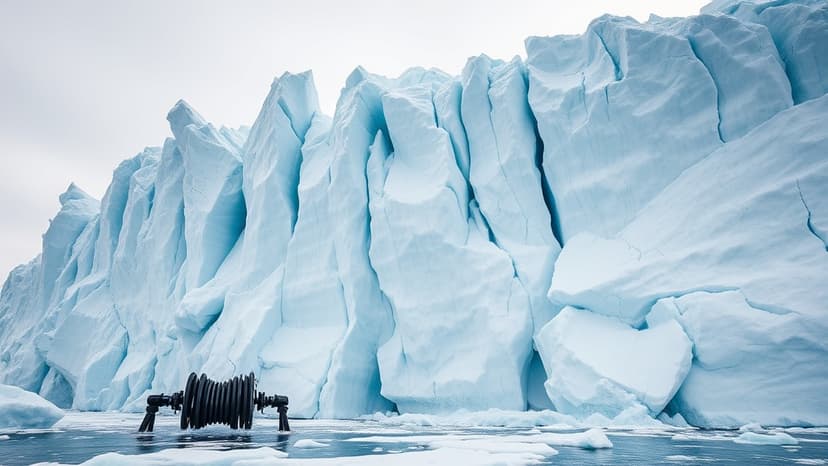
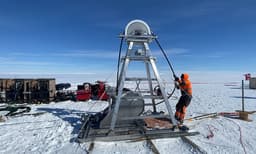
A recent scientific expedition to Antarctica's Thwaites Glacier, infamously known as the 'Doomsday Glacier', encountered critical issues, leading to its abandonment. The mission's objective was to deploy instruments beneath the glacier's main trunk to gather vital data on its stability and impact on sea levels. Researchers from the British Antarctic Survey and South Korea utilized a high-pressure hot-water drill to create a shaft, successfully collecting preliminary measurements.
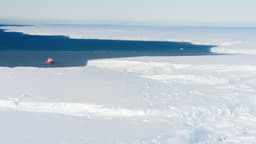
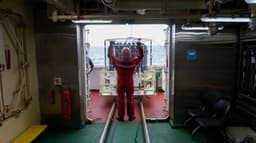
However, the attempt to lower a long-term mooring system for continuous data relay was unsuccessful. The instrument became trapped in the borehole, likely due to ice refreezing or glacial movement. With approaching severe weather and limited time before their research vessel's departure, the team was compelled to abandon the project. Despite the setback, scientists gathered crucial data indicating turbulent ocean conditions and warm water driving melting at the ice base.
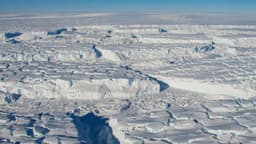
This mission was particularly challenging as it targeted the remote and unstable 'main trunk' of the glacier, an area previously difficult to access. The logistical feat involved extensive helicopter transport and a tight two-week operational window. Although the primary goal of deploying the mooring system was not achieved, the data collected offers valuable insights into the processes accelerating ice loss. Scientists emphasize that this is not the end and are determined to return, strengthening the case for further study of this critical glacier.