Home / Environment / Dolphins Adapt Calls Amidst Ship Noise Surge
Dolphins Adapt Calls Amidst Ship Noise Surge
9 Mar
Summary
- Dolphins in the Arabian Sea alter whistles due to ship noise.
- Vocalizations become longer and less complex under noisy conditions.
- International guidelines to reduce shipping noise remain voluntary.
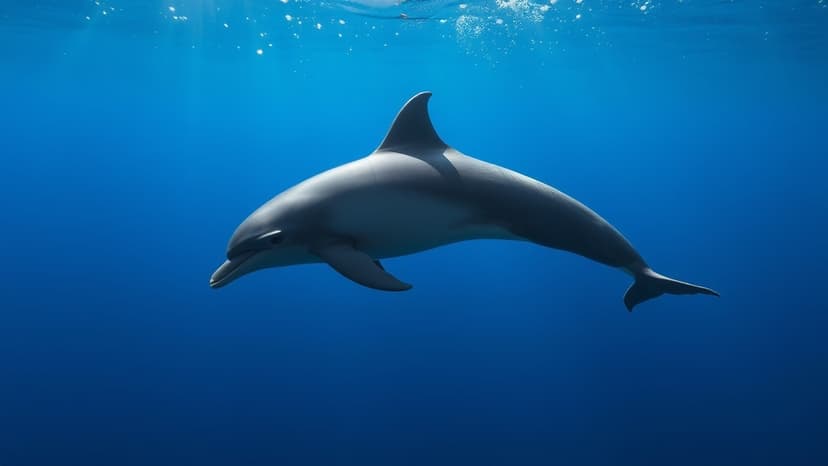
In the busy eastern Arabian Sea, bottlenose dolphins are modifying their vocalizations to cope with escalating underwater noise pollution from commercial shipping. Researchers at the National Institute of Ocean Technology have observed that during periods of heavy vessel traffic, dolphin whistles shift to higher frequencies and become less complex. This adaptation, known as the Lombard effect, helps their signals cut through the din, though overall whistle diversity decreases.
While these changes help dolphins communicate, scientists caution that prolonged exposure to noise can impair crucial interactions, such as mother-calf communication. Similar behavioral shifts have been documented in other marine mammals globally, including beluga whales and harbor porpoises. The Arabian Sea study is notable for focusing on a continuous, intense commercial shipping corridor, unlike previous studies in more tourist-centric areas.
Globally, the International Maritime Organization (IMO) has established voluntary guidelines to reduce underwater noise from ships since 2014, with revised non-binding guidelines released in 2023. Despite a target to reduce average shipping noise by three decibels by 2030, experts believe enforceable measures are needed for meaningful progress. Mitigation strategies are being explored, including quieter ship designs and reduced vessel speeds in sensitive areas.