Home / Environment / Djibouti's Carbon Levy: A Climate Finance Game Changer?
Djibouti's Carbon Levy: A Climate Finance Game Changer?
5 Mar
Summary
- Djibouti launched a carbon levy on ships to fund climate response.
- The levy, established in 2023, funds diverse projects including water access.
- This model offers a revenue stream for smaller African nations post-aid cuts.
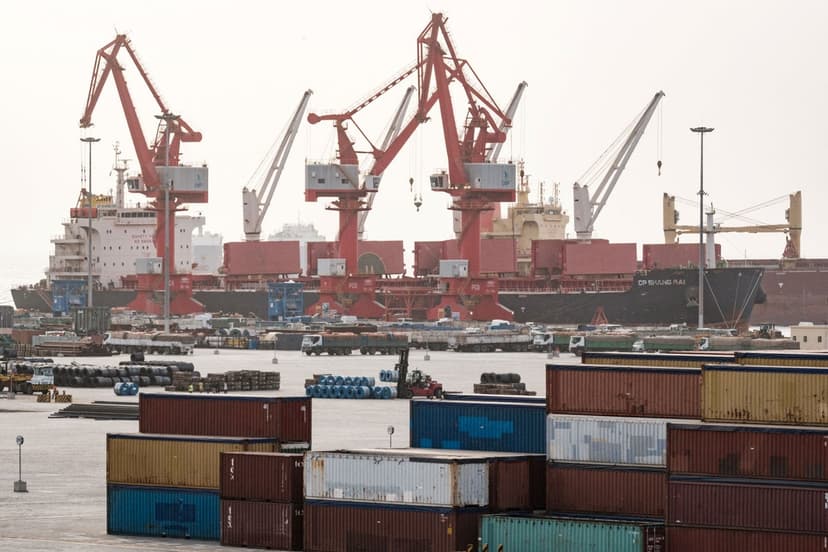
Djibouti, a small nation in the Horn of Africa, has developed an innovative carbon levy system that generates revenue for climate action and crisis response. Established in 2023 by the Sovereign Carbon Agency (SCA), the levy targets emissions from ships docking at the country's significant port, which handles substantial trade for neighboring Ethiopia.
Initially conceived following the COP27 climate conference, President Ismail Guelleh sought a way for African nations to fund their own climate resilience efforts, given their low emissions but high vulnerability. The system charges visiting ships $17 per tonne of CO2 emitted, covering half of the emissions per voyage.
Funds raised, which amounted to less than ten million dollars after two and a half years, have supported numerous projects. Notably, the SCA rapidly deployed water trucks and solar desalination units to alleviate a severe drought crisis in the Tadjourah region in mid-2025. Other funded initiatives include plastic collection, recycling programs, mangrove restoration, and an electric vehicle fleet.
This model offers a crucial alternative for African countries facing reduced overseas aid. While international organizations were initially skeptical, the success of these projects and the current climate of aid reduction have shifted perceptions, with some now seeking to partner with the SCA. Djibouti's approach is seen as a replicable blueprint for other smaller, less-industrialized nations seeking to capitalize on carbon emissions from international operations.
Globally, the concept of carbon pricing is well-established, with systems like the EU Emissions Trading System raising significant funds. However, Djibouti's scheme is highlighted for its focus on local needs and its potential to empower African nations to secure sovereign revenues for climate adaptation and mitigation, independent of traditional aid structures. Experts suggest that while the current price may not significantly alter shipping emissions, it provides a valuable revenue stream and a model for future climate finance.