
Home / Environment / Diwali Pollution: Firecrackers or Policy Failure?
Diwali Pollution: Firecrackers or Policy Failure?
20 Nov, 2025
Summary
- Diwali firecracker use caused PM2.5 levels to spike dramatically.
- Extreme pollution spikes are dangerous, even for short durations.
- Banning firecrackers is a public health measure, not religious attack.
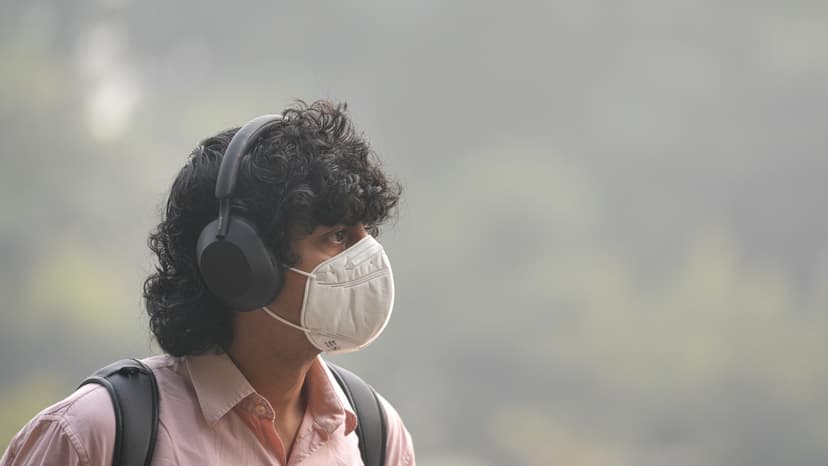
Each Diwali, Delhi experiences a severe air pollution crisis, sparking debate over the role of firecrackers versus broader policy failures. While year-round pollution sources like stubble burning and vehicle emissions are acknowledged, festival data reveals sharp, overnight spikes in PM2.5 levels, reaching dangerous concentrations.
This acute pollution, even for short durations, has immediate health consequences, leading to increased hospitalizations for respiratory and cardiac issues. Despite arguments for compromise or 'green' alternatives, enforcement remains a challenge, with bans frequently flouted.
The issue is framed by some as a religious attack, but authorities clarify it's about public protection, not faith. Effective pollution control requires addressing multiple factors, including firecracker use, to ensure festivals enhance well-being rather than threaten public health.
