

Home / Environment / Neighbors, Not Gear: Real Disaster Prep
Neighbors, Not Gear: Real Disaster Prep
27 Apr
Summary
- True preparation relies on community, not just personal supplies.
- Official emergency alerts can be unreliable during crises.
- Neighborly aid and organized community efforts are vital for survival.
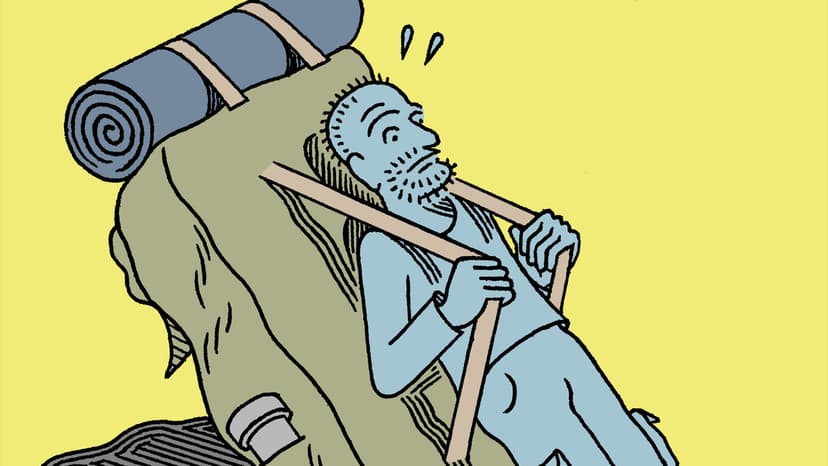
With the rise of extreme weather events, the concept of disaster preparedness is evolving beyond individual self-sufficiency. Personal experiences with multiple disasters, from fires to hurricanes, reveal that official emergency notifications are often flawed. In critical moments, reliable information and safety decisions heavily depend on the support of those nearby.
During a recent flood in Waialua, Hawaii, over 230 residents were rescued, primarily by their neighbors using farm equipment. Local organizations, leveraging pre-established networks and trust from previous relief efforts, quickly organized aid and recovery. This highlights that effective disaster response stems from robust community engagement.
While individual preparations like water and medication are important, they are insufficient alone. Experts stress that expanding one's 'home' to include community involvement, understanding mutual needs, and recognizing shared commonalities builds true resilience. This communal approach is presented as the most vital bulwark against future environmental challenges.
Experts predict a significant increase in Americans facing extreme weather annually by 2050. Given this trend, building strong neighborhood connections now is critical, rather than waiting for a crisis. This proactive community involvement addresses infrastructure concerns and town readiness before disasters strike, proving that people, not just packed gear, are the ultimate safety net.
