
Home / Environment / Dhanushkodi: Ruins to Resilience
Dhanushkodi: Ruins to Resilience
1 May
Summary
- 200 families now inhabit Dhanushkodi amidst ruins.
- Lack of basic amenities like electricity and water persists.
- Ecological concerns and sanctuary status slow development.
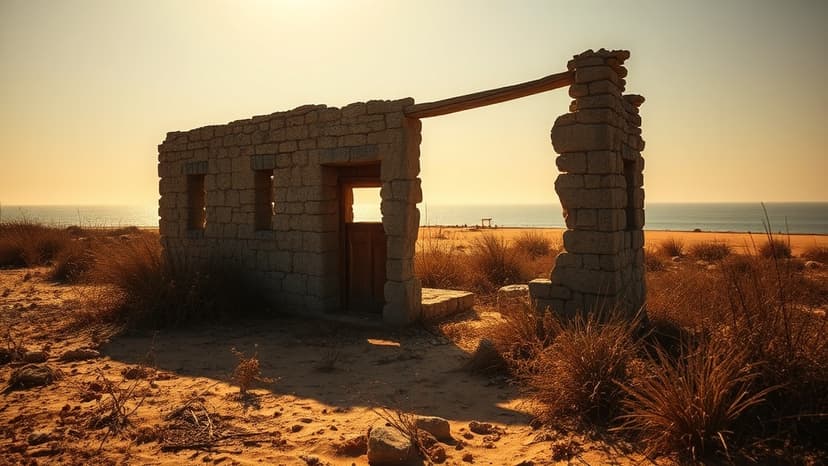
Dhanushkodi, a town dramatically situated at the confluence of the Bay of Bengal and Indian Ocean, is experiencing a slow revival. Following the devastating 1964 cyclone, the town was largely abandoned. Since the introduction of a road link in 2017, approximately 200 families have returned to inhabit the ruins. However, life remains basic and precarious, with residents lacking electricity, consistent drinking water, and mobile connectivity.
Development efforts are constrained by environmental considerations. The area is designated as an ecologically sensitive zone and is part of the Gulf of Mannar Biosphere Reserve, with recent declarations of a greater flamingo sanctuary further tightening restrictions. These factors, coupled with high costs and regulatory hurdles, have stalled significant infrastructure projects, shifting focus towards eco-tourism initiatives.
Despite the town attracting visitors, its permanent residents endure challenging conditions. Basic amenities are scarce; solar panels offer limited electricity, and drinking water is privately supplied at a cost. The local school is in disrepair, and medical facilities are nonexistent. Experts have highlighted the urgent need for housing, safe water, and health services before pursuing large-scale tourism projects in this fragile border town.
Fishing remains the backbone of Dhanushkodi's economy, with many families operating makeshift stalls. The town also lies near Talaimannar in Sri Lanka's northern province, historically a site for clandestine crossings. While such activity has reduced, residents like Kanges remain vigilant, assisting authorities with suspicious observations. Nature, meanwhile, continues to reclaim spaces, with peafowl roaming freely, symbolizing the town's unique coexistence of ruin and resilience.
