

Home / Environment / Climate Change Drives Thirst for Desalinated Water
Climate Change Drives Thirst for Desalinated Water
1 Apr
Summary
- Desalination removes salt from seawater, offering freshwater where rain is insufficient.
- Over 20,000 plants operate globally, with industry expanding about 7% annually since 2010.
- Brine byproduct harms marine life; companies explore renewables and efficiency.
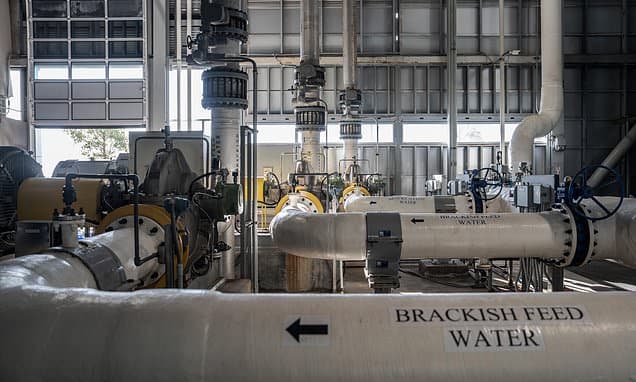
As climate change intensifies droughts and disrupts rainfall, more regions are turning to the sea for drinking water through desalination. This process removes salt from seawater, producing freshwater where natural sources are insufficient. Globally, over 20,000 desalination plants are in operation, and the industry has seen an annual expansion of about 7% since 2010.
Modern desalination primarily uses reverse osmosis, forcing seawater through membranes to separate freshwater from concentrated brine. Older thermal methods also exist but are more energy-intensive. Desalination is a vital water source in arid regions like the Middle East, parts of Africa, Australia, and drought-prone U.S. states like California and Texas.
While essential, desalination is energy-intensive, contributing significantly to carbon emissions. Its byproduct, brine, can harm marine ecosystems when discharged. Intake systems also pose risks to marine life. Efforts are underway to mitigate these impacts, including powering plants with renewable energy and developing more efficient technologies, alongside prioritizing water recycling and conservation.
