Home / Environment / Deodar Cedar: Sacred Wood to Colonial Timber
Deodar Cedar: Sacred Wood to Colonial Timber
31 Jul
Summary
- Deodar, a Himalayan tree, was revered as sacred and used in temples.
- Introduced to Britain in 1831, it became a fashionable Victorian ornamental tree.
- Colonial rule led to extensive deodar harvesting for infrastructure projects.
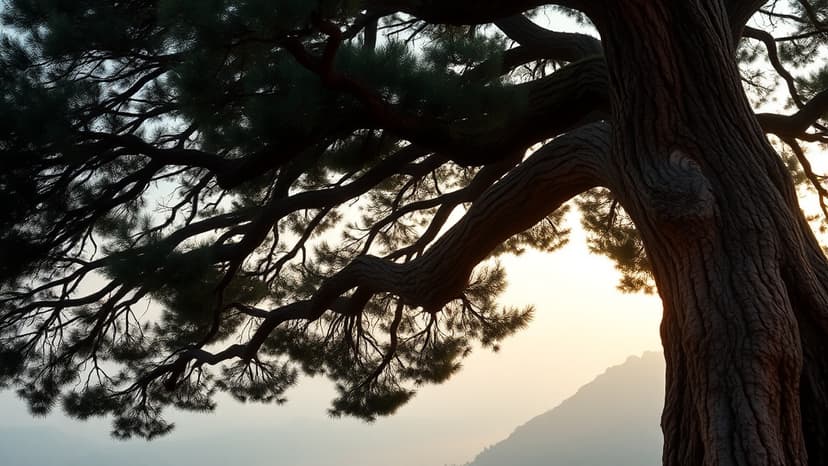
The deodar cedar, native to the western Himalayas, has a rich history spanning millennia. Initially revered as sacred, its timber was used for building temples and structures that often endured for centuries due to its natural resistance to decay and insects.
By 1831, the deodar reached Britain, captivating gardeners with its elegance. It soon became a popular ornamental tree in parks and estates, prized for its graceful branches and pyramidal crown. Its botanical name, devadāru, translates to "wood of the gods."
Despite its admiration, the deodar's valuable wood also led to its exploitation during British colonial rule. The East India Company extensively harvested deodar forests for railway sleepers, bridges, and government buildings, prompting early warnings about unsustainable practices in 1874.
Today, deodar forests remain ecologically crucial, highlighting the ongoing need for responsible stewardship. The tree's journey reflects humanity's evolving relationship with nature, from reverence to exploitation and a current call for protection.


