Home / Environment / Yamuna River Choked: Microplastics Found Everywhere in Delhi
Yamuna River Choked: Microplastics Found Everywhere in Delhi
17 Feb
Summary
- Microplastics contaminate Yamuna River, drains, soil, and groundwater in Delhi.
- Microfibers comprise 95% of detected plastic particles in Delhi's water.
- Monsoon dilutes river pollution but shifts it to floodplain soil.
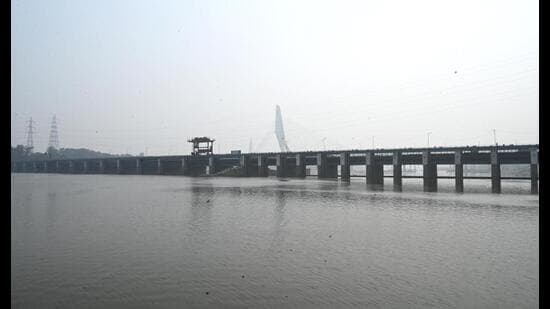
A comprehensive scientific assessment conducted over the past year has uncovered significant microplastic contamination throughout Delhi. The study focused on the Yamuna River as it passes through the capital, as well as open drains, floodplain soil, and groundwater. Elevated levels of microplastics were detected in all sampled areas across the city's 11 districts.
The research identified microfibers as the predominant pollutant, accounting for nearly 95% of detected particles. This suggests that domestic laundry and textile discharges are major sources. Other plastic fragments indicate the breakdown of larger discarded items. The analysis also identified 13 types of polymers, pointing to diverse origins from household waste to industrial and packaging materials.
Seasonal variations in microplastic concentrations were observed. While river and drain water showed a roughly 50-60% reduction in microplastics post-monsoon due to dilution and flushing, this was offset by a fourfold increase in contaminated soil along riverbanks. This suggests runoff carries pollutants into the soil, where they may persist and leach into the environment.
Groundwater samples consistently showed contamination, averaging around 1,200 MPs/m³ across both sampling periods. Researchers noted the ongoing presence of these particles in subsurface water as an emerging concern due to potential long-term health risks. Vulnerability mapping identified ten zones in Delhi particularly susceptible to plastic pollution.
Recommendations from the report include establishing a real-time monitoring dashboard, upgrading wastewater treatment, installing trash-capture systems, and promoting bio-based alternatives. Experts emphasize that these invisible toxins pose a serious threat to aquatic life and human health, necessitating immediate action.