Home / Environment / Delhi's Yamuna Choked by Failing Wastewater Treatment
Delhi's Yamuna Choked by Failing Wastewater Treatment
23 Mar
Summary
- Only 17 of 28 approved industrial areas connect to wastewater treatment plants.
- Several key treatment plants failed to meet environmental standards in February.
- Untreated industrial waste is dumped into drains, polluting the Yamuna River.

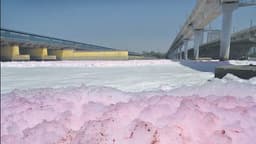
In Delhi, a significant portion of industrial wastewater is not being treated, leading to severe pollution of the Yamuna River. Of the 28 approved industrial areas, only 17 are connected to the 13 operational Common Effluent Treatment Plants (CETPs). The remaining industrial zones and 26 unplanned areas dispose of their waste directly into stormwater drains that feed into the Yamuna.
A February assessment by the Delhi Pollution Control Board (DPCC) revealed that CETPs in Naraina, Badli, GTK, and Lawrence Road failed to meet treatment standards. The GTK CETP, in particular, showed high levels of pollutants like BOD and TSS. Despite the Supreme Court's mandate under the 'MC Mehta vs Union of India' case to treat industrial effluent, and despite penalties imposed, the problem persists.
Furthermore, the utilization of the existing CETPs is reportedly very poor, with many operating far below their capacity. For example, the Naraina CETP's flow was only 5.3 MLD against its 21.6 MLD capacity. The Okhla CETP, initially found compliant, faced scrutiny and was ordered to be taken over by the industries department due to operational deficiencies.
Activists point out that industrial effluents are more damaging to river health than sewage, destroying the river's self-cleaning capabilities. The government acknowledges the issue and is developing redevelopment plans for unplanned industrial areas, but the challenge of effective industrial waste management in Delhi remains critical.