Home / Environment / Delhi's Escape: Mountains Can't Handle Our Mess
Delhi's Escape: Mountains Can't Handle Our Mess
3 Sep
Summary
- Weekend trips from Delhi cause stress on the Hindu Kush Himalaya region.
- Melting glaciers and extreme weather threaten water supply and trigger disasters.
- Cities must become more livable to reduce pressure on fragile mountain ecosystems.
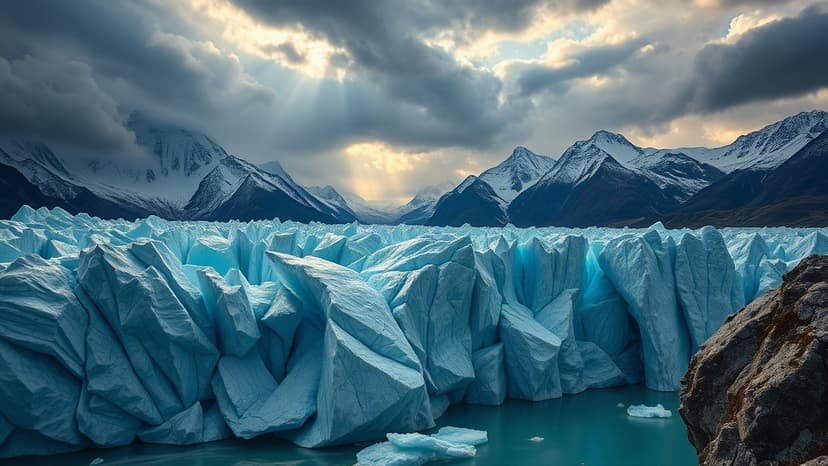
The weekend migration from Delhi to mountain destinations is driven by an escape from urban hostility, including traffic, pollution, and lack of green spaces. This influx places significant stress on the Hindu Kush Himalaya region, a crucial water source for nearly two billion people across eight countries. The region's glaciers and snowfields, which feed major rivers, are warming at an alarming rate, leading to unpredictable water availability, shrinking glaciers, and increased risks of floods and landslides.
Recent events, such as a swollen river flooding a road in Uttarakhand, highlight the immediate dangers faced by both locals and tourists. This situation underscores the need for a paradigm shift in how urban populations interact with mountain environments. The article suggests that tourism in fragile areas should be regulated through measures like visitor caps, green levies, and prioritizing local guides, similar to successful models in other regions.
Ultimately, the article posits that the pressure on mountain regions is a direct consequence of urban environments failing to provide essential amenities like clean air, water, and shade. It advocates for a 'biophilic city' approach, where urban planning integrates nature, shade, and water features into daily life. Delhi, for instance, could enhance its public spaces with shaded corridors, misting stations, green infrastructure, and accessible natural areas to become a destination people wouldn't need to escape from, thereby alleviating pressure on the Himalayas.


