

Home / Environment / Delhi Lake's Endangered Species May Earn Ramsar Status
Delhi Lake's Endangered Species May Earn Ramsar Status
12 Apr
Summary
- Neeli Jheel supports rare and endangered species, crucial for Ramsar site status.
- Vulnerable, endangered, and critically endangered vultures spotted in the wetland.
- Delhi and Haryana governments collaborating for joint Ramsar site submission.
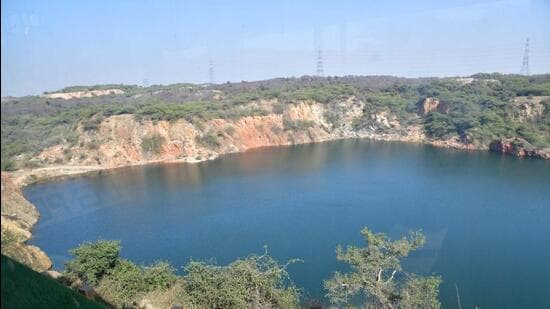
An assessment conducted in February by Wetlands International South Asia has identified significant biological diversity and the presence of endangered species within Delhi's Neeli Jheel. These findings meet the necessary criteria for notifying the wetland as a Ramsar site, an area of international importance under the Ramsar Convention.
The assessment noted the presence of vulnerable species such as the common pochard and river tern. More critically, endangered species including the Egyptian vulture and steppe eagle were identified. The wetland is also home to critically endangered species like the White-rumped vulture and Red-headed vulture.
This abundance of rare and threatened species, along with overall biological diversity, satisfies criteria two and three for Ramsar site designation. Delhi's environment minister, Manjinder Singh Sirsa, confirmed the survey's findings and the ongoing efforts to obtain this international recognition for the 5.16-hectare water body.
As Neeli Jheel is a trans-boundary wetland, with approximately 70% of it falling in Haryana (known locally as Bharadwaj lake), the Delhi government is collaborating with the Haryana government. Both states are keen to secure Ramsar status, and a joint report will be submitted to the central government following a similar assessment by Haryana.
Delhi has a large number of water bodies, but many have been encroached upon or have dried up. Efforts are underway to revive and protect these vital ecosystems, with 174 water bodies already rejuvenated and plans for further conservation initiatives.

