Home / Environment / Dhalao Decay: Delhi's Garbage Crisis Fuels Health Woes
Dhalao Decay: Delhi's Garbage Crisis Fuels Health Woes
16 Feb
Summary
- Dhalaos suffer damage from waste removal, becoming dilapidated.
- Unmanaged waste attracts pests, spreading pathogens and disease.
- Delhi struggles with waste segregation ahead of 2026 rules.
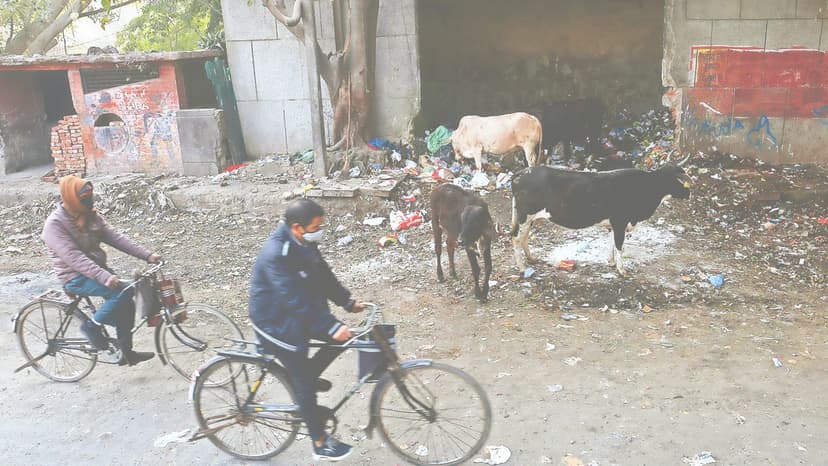
Deteriorating "dhalaos" in Delhi are directly contributing to air pollution and a significant public health crisis due to unmanaged garbage. These waste disposal points often fall into disrepair from mechanical waste removal processes. When door-to-door collection is unreliable, residents use dhalaos, leading to mixed waste and a lack of segregation.
These neglected sites become breeding grounds for rodents and stray animals, which carry pathogens into nearby homes. Airborne diseases can also spread from these areas. The situation is exacerbated by the potential presence of medical and industrial waste. Loose garbage can fly on windy days, and decomposing waste can produce toxic leachate, sickening animals and potentially humans.
Delhi faces a significant hurdle in meeting the April 1, 2026 deadline for the Solid Waste Management Rules, with current source segregation rates at an average of only 59% across wards. Despite challenges like limited land and ongoing waste accumulation, cities like Indore demonstrate that successful implementation is possible through focused ward-level planning and local treatment of biodegradable waste.