Home / Environment / Can Delhi Learn from Beijing's Air Quality Turnaround?
Can Delhi Learn from Beijing's Air Quality Turnaround?
18 Dec, 2025
Summary
- Delhi faces recurring severe air pollution spikes each winter.
- Beijing drastically improved air quality over a decade via systemic policy changes.
- Geography and a fragmented governance hamper Delhi's pollution control efforts.

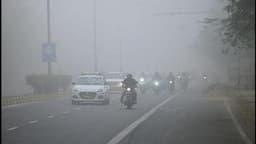
Each winter, Delhi plunges into a severe air quality crisis, marked by toxic smog that disrupts daily life and strains healthcare systems. Temporary fixes like construction bans and vehicle restrictions have proven ineffective against this persistent problem.
In contrast, Beijing has achieved a remarkable reduction in its air pollution levels over the past decade. This turnaround was driven by a sweeping overhaul of transport, energy, and urban policies, targeting emissions, car growth, and regional coordination simultaneously. China's approach treated air quality as a systemic issue, not an annual emergency.
While Delhi's democratic structure presents different challenges than Beijing's centralized governance, experts believe lessons can be learned. Addressing Delhi's air pollution requires a systemic, long-term strategy focusing on integrated mobility and air quality planning, robust enforcement of construction dust controls, and sustained political will, rather than relying on crisis management.