Home / Environment / Ammonia Surge Shuts Delhi Water Plants
Ammonia Surge Shuts Delhi Water Plants
24 Jan
Summary
- Ammonia spike led to closure of water treatment plants.
- Residents faced water scarcity, relying on bottled water.
- Political row erupted over alleged mismanagement of crisis.
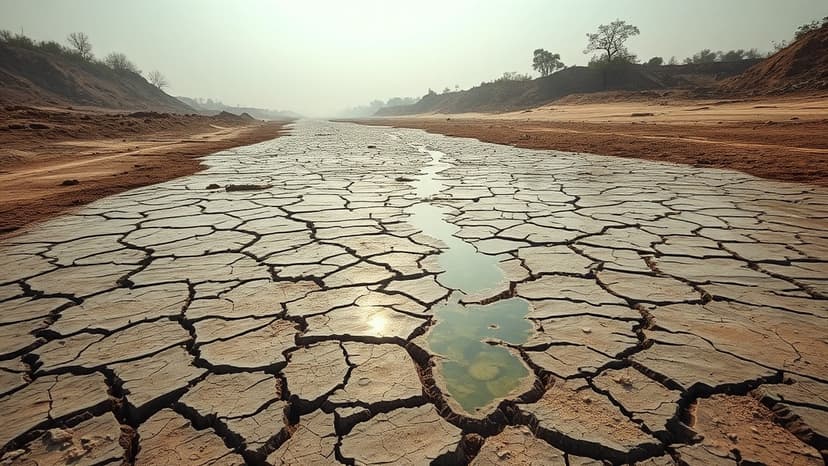
A sharp increase in ammonia levels in the Yamuna River has triggered a water crisis in Delhi, forcing the temporary shutdown of crucial water treatment facilities. The Delhi Jal Board (DJB) reported that maintenance-related diversions exacerbated the issue, leading to elevated ammonia concentrations that rendered the Wazirabad and Chandrawal plants ineffective. These facilities collectively supply approximately 200 million gallons per day (MGD), and their closure has led to widespread water scarcity across the city.
Residents in various localities, including Burari, Adarsh Nagar, and Indira Vikas Colony, have experienced disrupted or nonexistent water supply for days. Many are now dependent on expensive bottled water for drinking. While officials anticipate a stabilization by Saturday morning as ammonia levels recede and treatment plants resume operations, separate water cuts are scheduled for January 24, 27, and 28 due to an annual reservoir flushing program.
The water shortage has ignited a political conflict. The Aam Aadmi Party (AAP) criticized the administration's handling of the situation, particularly the decision to halt maintenance on the Munak canal. Conversely, the Bharatiya Janata Party (BJP) defended the government's response, stating that swift communication with Haryana officials and a halt to repair work were initiated upon detecting the ammonia spike. The situation highlights the city's vulnerability to water supply disruptions.