Home / Environment / Early Warning System Fails to Predict Delhi's Smog Crisis
Early Warning System Fails to Predict Delhi's Smog Crisis
15 Dec
Summary
- Air quality forecasts inaccurately predicted 'very poor' instead of 'severe' levels.
- Delayed action under Grap-4 occurred due to the forecast's failure.
- Outdated emissions inventory and lack of moisture factor cited as reasons for errors.
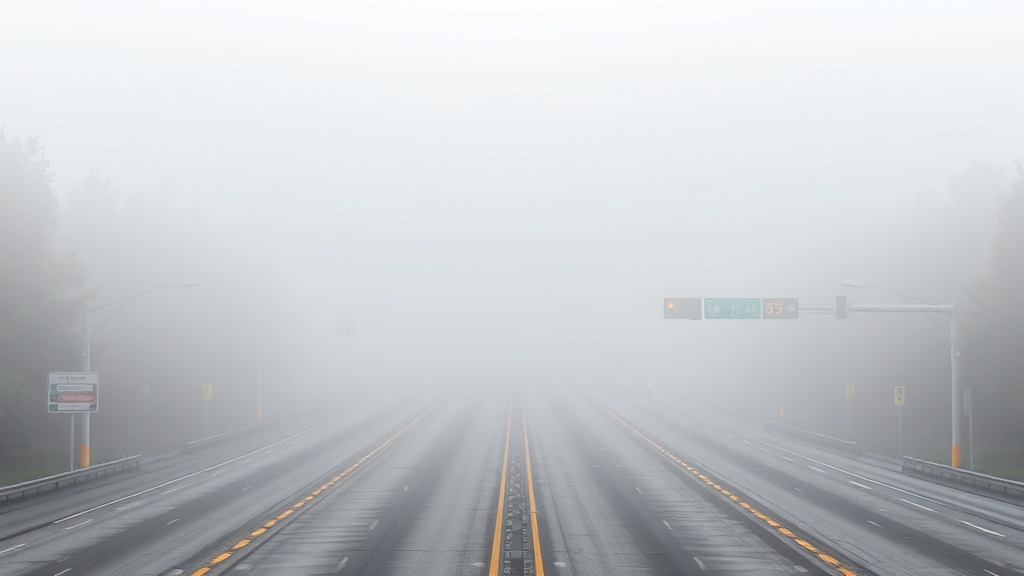
The Centre's Air Quality Early Warning System (EWS) has once again failed to accurately predict Delhi's air pollution situation, impeding the Commission for Air Quality Management (CAQM) from taking timely action. On a recent Saturday, Delhi's air quality rapidly deteriorated to the 'severe' category, surpassing an AQI of 450, while the EWS had forecasted only a 'very poor' to 'severe' progression for the following day.
This inaccurate forecasting has significant implications for the Graded Response Action Plan (Grap). The CAQM relies on these predictions, made up to three days in advance, to implement Grap stages 2, 3, and 4. However, with the EWS proving unreliable, measures like Grap-4 were invoked only late Saturday night when the pollution crisis was already severe, with Sunday's AQI remaining alarmingly high at 461.