Home / Environment / Delhi Air: Farmers Blamed, But Who's the Real Polluter?
Delhi Air: Farmers Blamed, But Who's the Real Polluter?
27 Dec
Summary
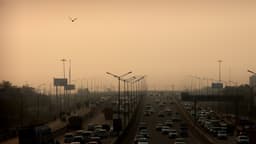
- Vehicular emissions are Delhi's primary air pollution source.
- The 'polluter pays' principle faces complexity with multiple pollution sources.
- India's judiciary is increasingly adopting a 'government pays' approach.
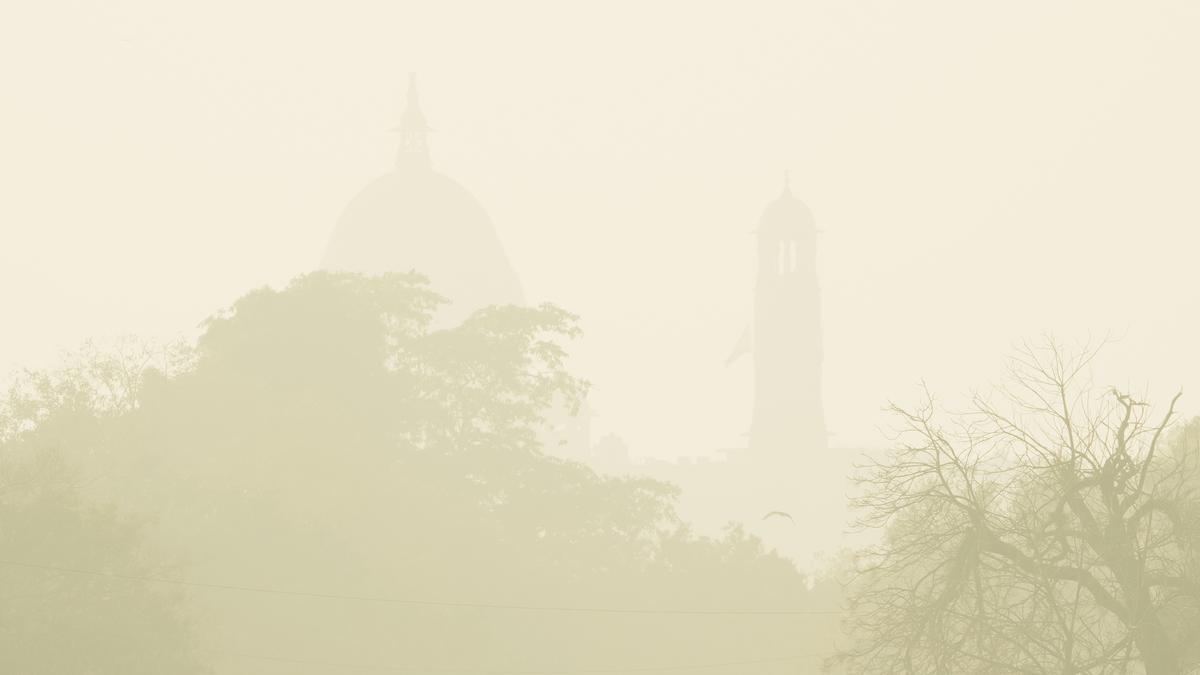
Delhi's air quality crisis is primarily driven by vehicular emissions, contributing significant PM2.5 and toxic gases. Despite this, blame often unfairly falls on farmers in neighboring Punjab and Haryana for stubble burning. The universally acknowledged 'polluter pays' principle, which holds polluters responsible for environmental damage, proves difficult to implement effectively in situations with diverse and transboundary pollution sources.
The application of the 'polluter pays' principle is complicated by the presence of multiple point and non-point pollution sources, including those with transboundary effects. Legal precedents, like the Standley case, suggest that seasonal agricultural practices should not bear sole liability for pollutants from industrial sources. This highlights the need for cooperation among different entities rather than solely relying on individual accountability.
Indian courts, recognizing the limitations of the 'polluter pays' principle and the welfare needs of pollution victims, are increasingly leaning towards a 'government pays' approach. This shift places the onus on the government to monitor pollution and bear restoration costs, reflecting a move towards corrective justice and acknowledging that environmental duties of individuals are seldom emphasized.