Home / Environment / Death Valley's Rare Superbloom Set to Dazzle
Death Valley's Rare Superbloom Set to Dazzle
12 Feb
Summary
- Death Valley National Park anticipates a rare superbloom this spring.
- Above-average rainfall has created ideal conditions for wildflowers.
- The last superbloom in Death Valley occurred in 2016.
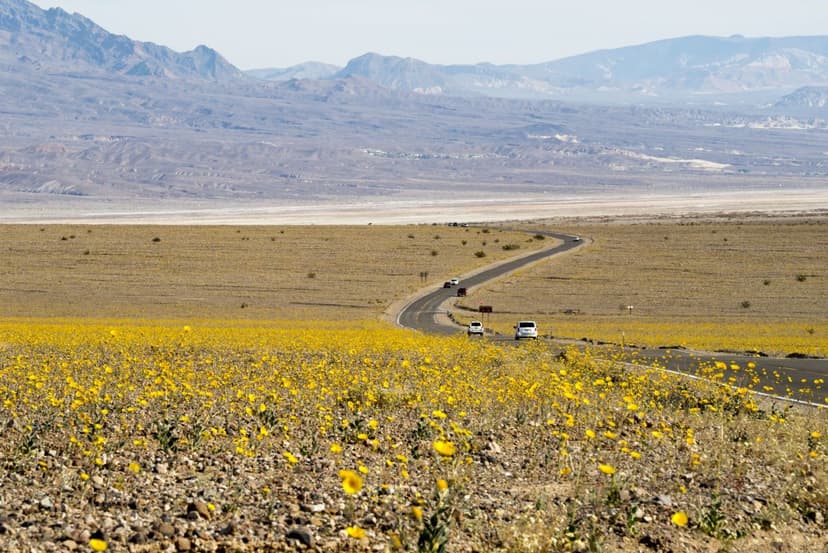
Death Valley National Park is poised to host a rare superbloom this spring, marking a spectacular display of wildflowers. This phenomenon, driven by a combination of above-average rainfall, well-timed storms, and favorable temperatures, has not been witnessed in the park for ten years. As of February 12, 2026, Death Valley has already surpassed its annual rainfall average, with 2.45 inches recorded since October 1.
This exceptional event promises to transform the normally arid landscape into a vibrant carpet of colors. Wildflowers such as Desert Gold, Sand Verbena, Fove Spot, and Brown-eyed Primrose are already beginning to appear in various park locations. Low-elevation blooms are anticipated from February to March, with higher elevations expected to follow suit from April to June, offering a prolonged viewing period.
The last significant superbloom in Death Valley occurred in 2016, following substantial El Niño-driven rainfall. Prior major events were documented in 2005 and 1998, underscoring the rarity of these occurrences, which typically average once per decade. Park officials encourage visitors to appreciate the blooms without picking the flowers to ensure future replenishment.
The bloom's intensity is expected to build from late February through early April, with peak displays in mid-spring. The National Park Service emphasizes that the precise timing and duration depend on continued favorable weather patterns, including temperature and wind conditions, which can influence the longevity of the blossoms.