Home / Environment / Potomac River Faces Ecological Disaster After Major Sewage Spill
Potomac River Faces Ecological Disaster After Major Sewage Spill
25 Feb
Summary
- Over 200 million gallons of raw sewage flooded the Potomac River.
- Emergency repairs may finish by mid-March, but cleanup will take longer.
- The incident highlights the risks posed by the nation's aging infrastructure.
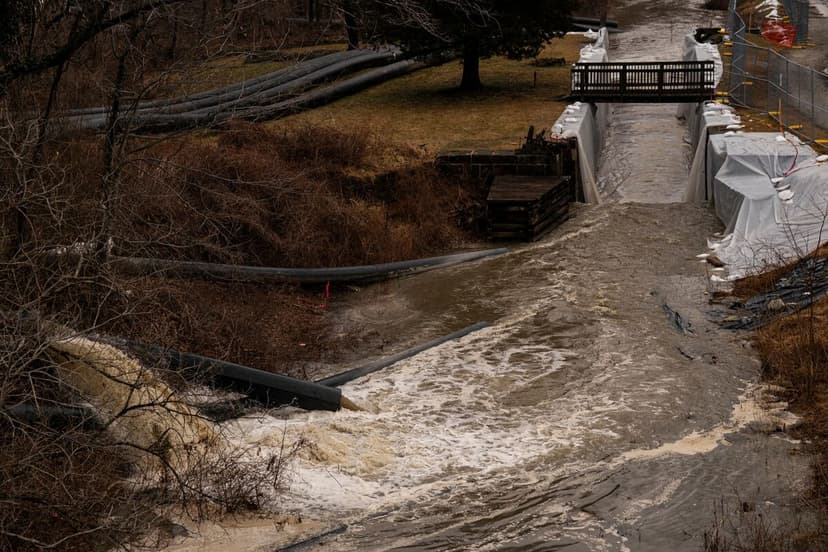
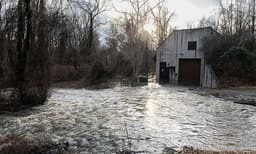
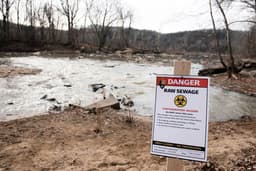
A significant sewage spill occurred on January 19 when a section of DC Water's Potomac Interceptor sewer line in Maryland broke, releasing over 200 million gallons of raw sewage into the Potomac River over several days. This volume exceeds the oil spilled in the 2010 Deepwater Horizon disaster.
Emergency repairs to the broken line are expected to be completed by mid-March. However, the full environmental remediation and cleanup efforts will commence only after these repairs are finished and are anticipated to last for an extended period, impacting the river's shoreline and beyond.
The incident has garnered national attention, with President Trump declaring it a "massive Ecological Disaster" and subsequently approving a federal emergency declaration, leading to increased involvement from the Environmental Protection Agency and the Federal Emergency Management Agency.
This spill serves as a stark example of the widespread risks associated with aging infrastructure nationwide. The American Society of Civil Engineers' 2025 Report Card for America's Infrastructure indicates a decrease in the US wastewater sector's renewal rate for large capital projects alongside an increase in system failures.
DC Water has estimated the disaster response cost at approximately $20 million and has committed $625 million to update the affected sewer line. While the city's drinking water supply, drawn from upstream, remains unaffected, daily water quality sampling continues to monitor E.coli bacteria levels, which remain elevated near the spill site.