Home / Environment / D.C. Sewage Spill Threatens Potomac Wildlife, Costs Millions
D.C. Sewage Spill Threatens Potomac Wildlife, Costs Millions
31 Jan
Summary
- Millions of gallons of untreated sewage spilled into Potomac River.
- Pipeline is 60 years old; cause of collapse remains unknown.
- Wildlife and ecosystem health concerns are significant.
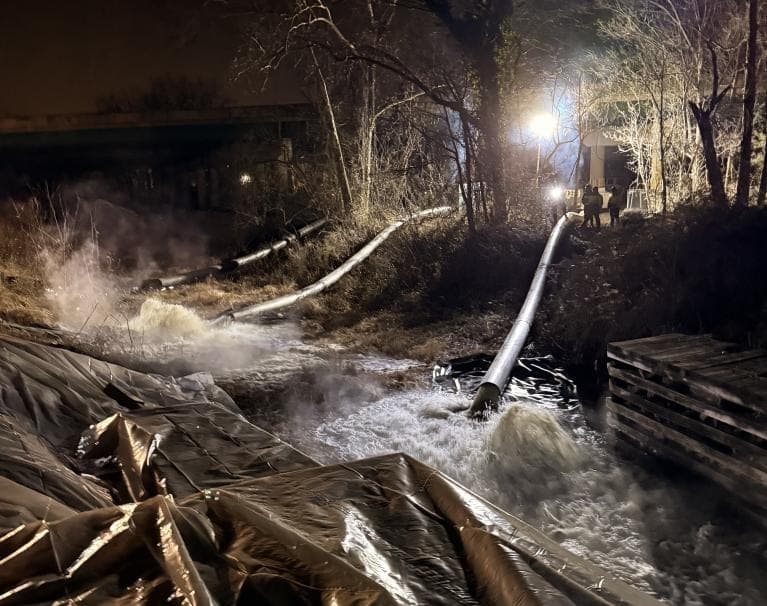
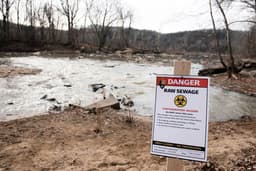
On the evening of January 19, a significant rupture occurred in the 60-year-old Potomac Interceptor pipeline, leading to an estimated 200 million gallons of untreated sewage spilling into the Potomac River. D.C. Water officials discovered the collapse via security cameras along the Clara Barton Parkway in Maryland. The pipeline, a crucial 54-mile sewer line, daily transports up to 60 million gallons of wastewater from various counties to the Blue Plains treatment plant.
Engineers are working around the clock to reroute wastewater using industrial pumps, bypassing the damaged section. While initial reports suggest active overflow into the river has largely stopped, concerns remain for the local ecosystem. Wastewater contains toxic chemicals and pathogens that can harm aquatic life and wildlife, with potential cascading effects on the food chain. Testing has already revealed significantly elevated E. coli levels near the spill site.
The cause of the pipeline's rupture is still under investigation, though it is part of an aging system with ongoing rehabilitation projects. D.C. Water has assured the public that the region's drinking water supply remains unaffected as it originates upstream from the spill. The estimated cost for repairs and cleanup is expected to be between $5 million and $10 million, with D.C. Water and its wholesale customers sharing the financial burden.